
Last updated: January 9, 2026
Ramen vs Champon: What’s the Difference in Japanese Noodle Culture?
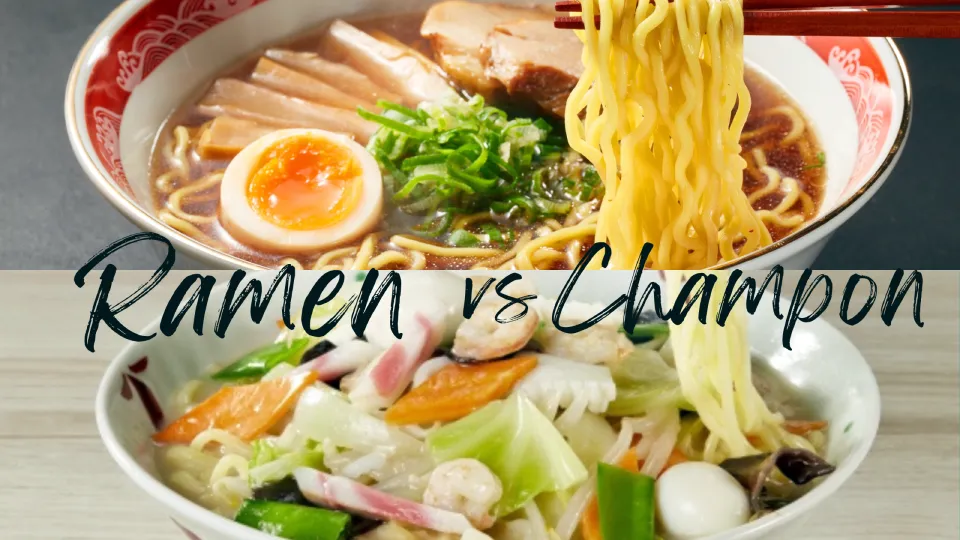
Travelers in Japan often wonder: what makes ramen and champon different? While both are beloved noodle dishes, their origins, cooking methods, and cultural backgrounds tell unique stories. This guide explores the history of Japanese ramen and Nagasaki champon, highlighting their ingredients, preparation styles, and regional significance. Perfect for visitors who want to taste Japan’s noodle culture with confidence.
What is Champon?
Origins in Nagasaki
Champon was first created in Nagasaki at the end of the 19th century. The dish originated at the Chinese restaurant Shikairō, where the owner, Chen Ping Shun, wanted to provide an affordable and nutritious meal for Chinese students studying in Japan. Over time, champon became a local specialty of Nagasaki, symbolizing the city’s role as a cultural gateway between Japan and China.
Key Ingredients and Cooking Method
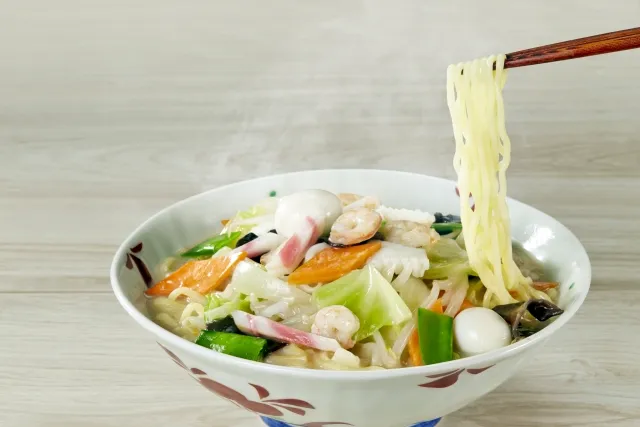
Unlike ramen, champon is prepared using a one-pot cooking method. Vegetables, seafood, and pork are stir-fried together, then simmered in a rich broth made from chicken stock and pork bones. The noodles are boiled directly in the same soup, absorbing the flavors of the ingredients.
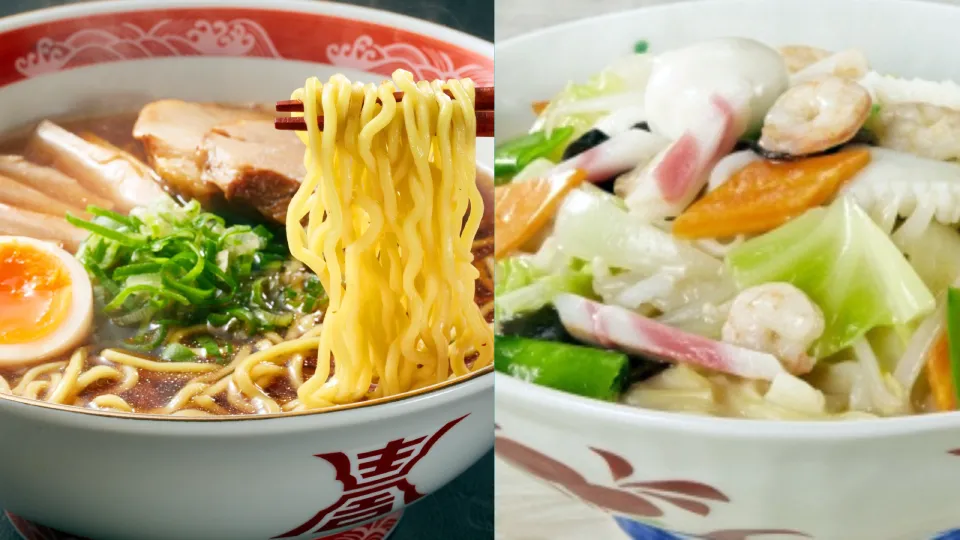
・Noodles: Thick and chewy, specially made for champon.
・Broth: Milky white, combining meat, seafood, and vegetable flavors.
・Toppings: Cabbage, bean sprouts, squid, shrimp, and slices of pork, creating a balanced and filling dish.
Cultural Background and Chinese Influence
Champon reflects the cultural exchange between China and Japan, especially in Nagasaki’s Chinatown. Its creation was directly tied to the needs of Chinese students, and the cooking style shows strong Chinese culinary influence. Over time, champon became a beloved Japanese dish, blending Chinese techniques with local ingredients. Today, it remains a symbol of Nagasaki’s multicultural heritage and has inspired regional variations such as Omi Champon in Shiga Prefecture, which adapts the dish to local tastes.
History of Ramen
Origins and Early Development
The exact origins of ramen are debated. Influences from Chinese noodle dishes played a role, and early adaptations appeared in Japan during the late 19th and early 20th centuries. What is clear is that ramen quickly became popular as an affordable and filling meal, setting the stage for its nationwide spread.
Postwar Spread and Instant Ramen
After World War II, ramen became a symbol of comfort food for the Japanese people. Street stalls and small shops flourished, serving hot bowls of noodles to a hungry population. In 1958, Momofuku Ando invented instant ramen, revolutionizing the dish and making it accessible worldwide. This innovation transformed ramen from a local specialty into a global phenomenon.
Regional Styles Across Japan
As ramen spread throughout Japan, it naturally adapted to local tastes and ingredients. Each region developed its own style, reflecting the preferences of the people and the produce available. This diversity shows how ramen has grown into a rich food culture that varies from place to place, offering travelers a chance to experience unique flavors across the country.
Key Differences Between Ramen and Champon
Cooking Method (Separate vs One-Pot)
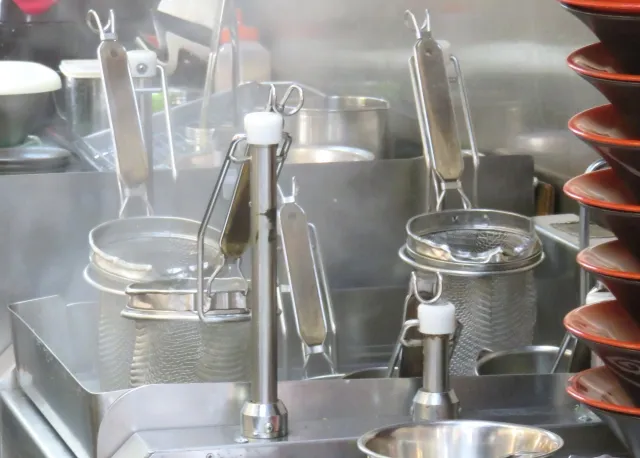
Ramen is typically prepared by boiling the noodles separately and then combining them with the soup and toppings. Champon, on the other hand, uses a one-pot method: noodles are cooked directly in the broth together with meat, seafood, and vegetables. This gives champon a richer, unified flavor.
Noodles (Thin vs Thick)
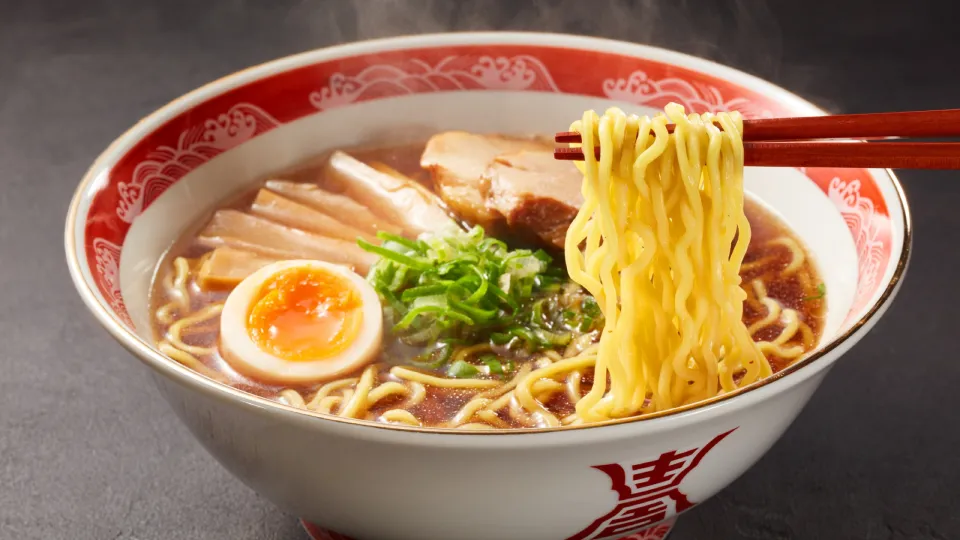
Ramen noodles vary in thickness and style depending on the region, ranging from thin and straight to curly and medium-thick. Champon noodles are generally thicker and chewier, designed to absorb the flavors of the broth during cooking.
Soup Base (Variety vs White Broth)
Ramen offers a wide variety of soup bases—soy sauce, miso, salt, and tonkotsu (pork bone)—each reflecting regional preferences. Champon is characterized by its milky white broth, made from pork bones, chicken stock, and seafood, which creates a balanced and hearty flavor.
Cultural Role (National vs Regional Identity)
Ramen has become a national dish of Japan, with countless regional variations and global recognition. Champon, however, remains closely tied to Nagasaki’s local identity and symbolizes cultural exchange with China. While ramen represents diversity across Japan, champon highlights the uniqueness of a specific region.
Why Travelers Should Try Both
Champon Across Regions: Nagasaki and Omi
For visitors to Nagasaki, champon is more than just a meal—it is a cultural experience. The dish reflects the city’s history as a port of international exchange and offers a taste of its unique identity. Eating champon in Nagasaki allows travelers to connect with the local heritage and enjoy a hearty, authentic flavor.
In addition to Nagasaki, travelers in Kyoto and the neighboring Shiga Prefecture can also enjoy Omi Champon, a local specialty that originated in Shiga. Omi Champon offers a different taste compared to Nagasaki’s seafood-rich white broth, often featuring a lighter soy-based soup and a simpler mix of vegetables. This variation highlights how champon has developed unique flavors across regions, giving visitors another way to experience Japan’s diverse noodle culture.
Kyoto and Other Regional Ramen Styles
Ramen, by contrast, has spread nationwide and developed countless regional variations. In Kyoto, ramen is often soy-based and richer than Tokyo’s style, while other regions highlight miso or tonkotsu broths. Sampling ramen in different cities allows travelers to appreciate the diversity of Japanese noodle culture and discover how local preferences shape the dish.
Experiencing Japanese Food Culture Through Noodles
Together, ramen and champon showcase the depth and variety of Japanese cuisine. Trying both dishes helps travelers understand how history, geography, and cultural exchange influence what ends up in the bowl. It is not only about taste, but also about experiencing Japan’s culinary traditions in a meaningful way.
Conclusion
Ramen and champon may share the same foundation of noodles and broth, but their differences in cooking methods, flavors, and cultural backgrounds make each dish unique. Ramen has grown into a national symbol with countless regional variations, while champon remains closely tied to specific local identities such as Nagasaki’s seafood-rich style and Shiga’s lighter Omi Champon.
For travelers, tasting both dishes is more than a culinary adventure—it is a way to connect with Japan’s diverse food culture and history. From Kyoto’s soy-based ramen to Nagasaki’s hearty champon, and from Shiga’s regional variation to Sapporo’s miso style, each bowl tells a story of place and tradition.
By exploring these noodles side by side, visitors gain a deeper appreciation of how Japanese cuisine reflects local heritage and cultural exchange. Trying both ramen and champon ensures not only delicious meals but also meaningful encounters with Japan’s regional identities.
👉 In our next post, we will introduce restaurants in Kyoto where travelers can enjoy Omi Champon, offering practical tips for those who want to taste this regional specialty during their visit.
Related Posts
- Forget Ramen: Try Shiga’s Omi Champon in Kyoto at Chanpontei
- Essential Japanese for Travelers: Supermarket Phrases and Tips (Discounts, Prepared Foods, Fresh Items)
- Essential Japanese for Travelers: Restaurant Phrases for Ordering, Paying, and Dining Etiquette in Kyoto
- Essential Japanese for Travelers: How to Ask “Where Is ___?” in Japanese