
Last updated: January 20, 2026
Setsubun in Kyoto: Bean‑Throwing Rituals and Special Shrine Events
What Is Setsubun?
Setsubun marks the transition from winter to spring in Japan’s traditional calendar. Celebrated on February 3rd, it is a day filled with rituals meant to drive away misfortune and welcome good luck for the coming year. While Setsubun is observed throughout Japan, Kyoto’s shrines and temples host some of the most atmospheric and culturally rich celebrations, blending ancient customs with local traditions that have been preserved for centuries.
Travelers visiting Kyoto in early February can experience lively bean‑throwing ceremonies, traditional performances, and unique blessings that offer a deeper understanding of Japanese beliefs about purification and seasonal change.
The Meaning Behind Mamemaki (Bean‑Throwing)
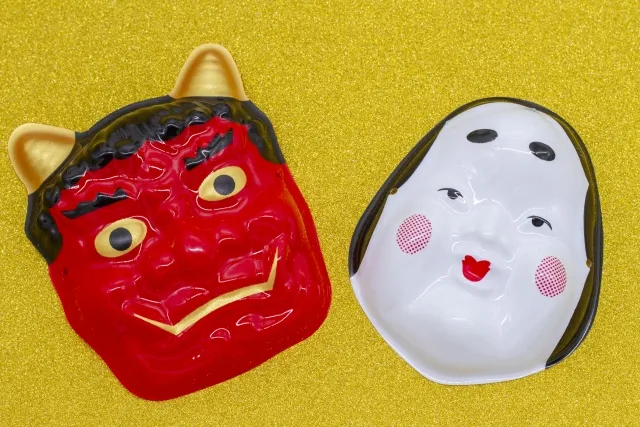
Mamemaki is the most iconic Setsubun ritual. Participants throw roasted soybeans while chanting “Oni wa soto, fuku wa uchi” — “Demons out, good fortune in.” In this phrase, “oni” refers to harmful spirits or negative forces and is often represented by a red demon mask, while “fuku” symbolizes blessings and good luck, commonly depicted with a white okame (good‑fortune) mask. This act symbolizes driving away misfortune and inviting happiness into the home or community.
At Kyoto’s shrines, the ritual is often performed by priests, local celebrities, and sometimes even geiko and maiko, making it a memorable cultural experience for visitors.
Major Setsubun Events at Kyoto Shrines
Yoshida Shrine (吉田神社) — Kyoto’s Largest Setsubun Festival
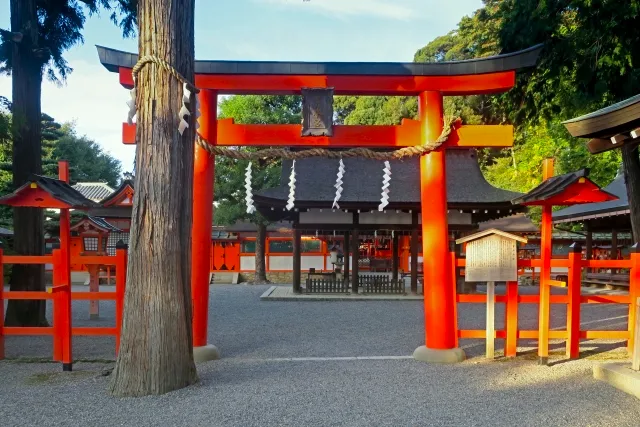
Yoshida Shrine hosts one of Kyoto’s biggest Setsubun festivals, attracting hundreds of thousands of visitors. The event features the Tsuinashiki (Oni‑yarai) demon‑banishing ceremony, the Ekijin‑sai purification rite, and the dramatic Karosai fire ritual. Nearly 800 food stalls fill the shrine grounds, creating a lively festival atmosphere.
Official Website: https://www.yoshidajinja.com/setubunsai.htm
* The site is in Japanese only, but the photos help convey the atmosphere of the festival.
2026 Dates & Times
-
February 2 (Mon)
- From 8:00: Preliminary rites
- 18:00: Tsuinashiki (Demon‑banishing ceremony)
-
February 3 (Tue)
- 23:00: Karosai (Fire ritual)
- Admission: Free
Access
- Google Maps
- Kyodai Seimon‑mae Bus Stop: 5 min walk
- Demachiyanagi Station (Keihan): 15–20 min walk
Mibu‑dera (壬生寺) — Setsubun Kyogen & Purification Rituals
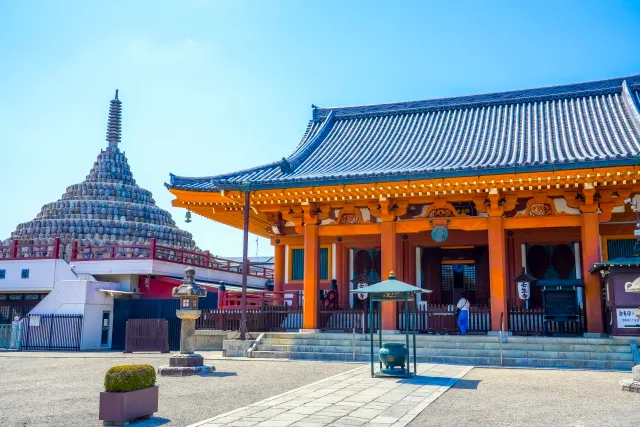
Mibu‑dera’s Setsubun celebration includes the famous Mibu Kyogen, a silent Buddhist theater tradition performed for over 900 years. The temple also conducts goma fire rituals, star‑based blessings, and the breaking of Hōraku earthenware plates to ward off misfortune.
Official Website: https://www.mibudera.com/setsubune.html#googtrans(ja|en)
2026 Dates & Times
- February 2–4 (Mon–Wed)
- 9:00–21:00 (until 19:00 on Feb 4)
- Mibu Kyogen Performances:
- Feb 2–3: 17:00–20:00
- The Kyogen plays are performed four times a day, with each show starting on the hour from 17:00. All performances are free to attend.
Access
- Google Maps
- Hankyu Omiya Station: 10 min walk
- Randen Shijo‑Omiya Station: 10 min walk
- Mibudera‑michi Bus Stop: 3 min walk
Heian Shrine (平安神宮) — Court‑Style Dai‑nanogi Ritual
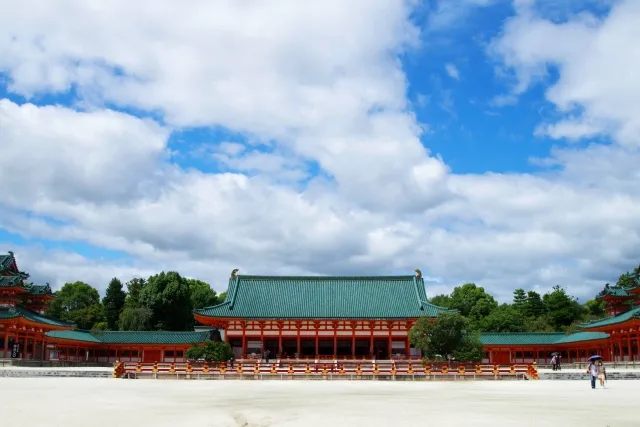
Heian Shrine preserves the ancient imperial court version of Setsubun. The Dai‑nanogi ceremony reenacts Heian‑period purification rites, followed by sacred dances and a bean‑throwing ceremony. This solemn ritual reflects the refined atmosphere of Kyoto’s aristocratic traditions.
Official Website: https://www.heianjingu.or.jp/english/
2026 Dates & Times
- February 3 (Tue)
- 12:00: Court dance & ritual performances
- 14:00: Dai‑nanogi ceremony
- 15:00: Bean‑throwing ceremony
- Admission: Free
Access
- Google Maps
- Subway Higashiyama Station: 10 min walk
- Okazaki Park Art Museum/Heian Shrine‑mae Bus Stop: 5 min walk
Yasaka Shrine (八坂神社) — Setsubun with Geiko & Maiko
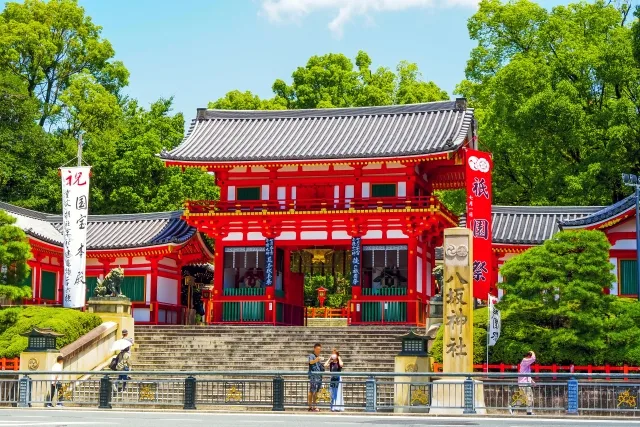
Yasaka Shrine’s Setsubun festival is known for its elegant stage performances by geiko and maiko from Kyoto’s hanamachi districts. After each performance, bean‑throwing ceremonies take place on the shrine’s dance stage.
Official Website: https://www.yasaka-jinja.or.jp/en/yearly_events/#month02
2026 Dates & Times
At the shrine’s Buden (舞殿 dance stage), geiko and maiko from Kyoto’s four hanamachi districts perform traditional dances, along with bugaku (court music) and imayō song offerings. A bean‑throwing ceremony follows each performance, creating a lively and festive atmosphere.
- February 2 (Mon)
- 13:00 — Traditional dance offering (Hōnō Buyō), followed by bean‑throwing
- 14:00 — Court music performance (Bugaku), followed by bean‑throwing
- 15:00 — Traditional dance offering, followed by bean‑throwing
- 16:00 — Bean‑throwing by local shopping street representatives
- February 3 (Tue)
- 11:00 — Imayō song offering, followed by bean‑throwing
- 13:00 — Traditional dance offering, followed by bean‑throwing
- 15:00 — Traditional dance offering, followed by bean‑throwing
- 16:00 — Bean‑throwing by local shopping street representatives
- Admission: Free
Access
- Google Maps
- Keihan Gion‑Shijo Station: 5 min walk
- Hankyu Kawaramachi Station: 8 min walk
- Gion Bus Stop (206): 1–2 min walk
Travel Tips for Enjoying Setsubun in Kyoto
- Arrive Early: Popular shrines become crowded, especially during bean‑throwing ceremonies.
- Dress Warmly: Early February is one of Kyoto’s coldest periods.
- Collect Lucky Beans: Many shrines hand out packets of roasted soybeans for good fortune.
- Check Event Times: Each shrine has its own schedule, and some events last multiple days. Be sure to double‑check the latest information on each shrine’s official website, as times and details may change.
Conclusion
Setsubun in Kyoto offers a rare chance to experience centuries‑old rituals, lively bean‑throwing ceremonies, and the elegant performances of geiko and maiko. Each shrine has its own unique traditions—from the dramatic fire rituals at Yoshida Shrine to the refined court‑style ceremonies at Heian Shrine and the vibrant stage performances at Yasaka Shrine.
Whether you’re interested in cultural heritage, seasonal celebrations, or simply enjoying the festive atmosphere, Kyoto’s Setsubun events provide an unforgettable glimpse into Japan’s spiritual and artistic traditions. Plan your visit well, check each shrine’s official schedule, and embrace the lively spirit of “Oni wa soto, fuku wa uchi” as you welcome good fortune for the year ahead.
Related Posts
- Kyoto’s Seasonal Events Guide: A Cultural Journey Through Spring, Summer, Autumn, and Winter
- Sakura & Cherry Blossom Forecast 2026: Japan’s Nationwide Bloom Predictions and Kyoto’s 2025 Peak Viewing Dates by Area
- Day Pass Gyms in Kyoto: 3 Best Options for Tourists
- Kyoto Dialect for Tourists: Easy Words You’ll Hear While Traveling