
Last updated: January 14, 2026
Kyoto’s Seasonal Events Guide: A Cultural Journey Through Spring, Summer, Autumn, and Winter
Introduction: Experiencing Kyoto Through Its Seasons
Kyoto is a city that transforms with every season. From soft pink cherry blossoms in spring to glowing lanterns in summer, fiery red maple leaves in autumn, and quiet snow‑covered temples in winter, each time of year reveals a different side of the city’s character. These seasonal shifts are not just about scenery — they are deeply connected to traditions, festivals, and cultural practices that have been passed down for centuries.
Understanding Kyoto’s seasonal events offers a meaningful way to experience the city beyond sightseeing. Many of these traditions are tied to local beliefs, community life, and the rhythm of nature, giving travelers a chance to connect with Kyoto on a deeper cultural level.
In this guide, you’ll discover the major events and customs that define each season — spring, summer, autumn, and winter — along with practical tips to help you enjoy them during your visit. Whether you’re planning your first trip or returning to explore Kyoto in a different season, this overview will help you appreciate how the city’s culture changes throughout the year.
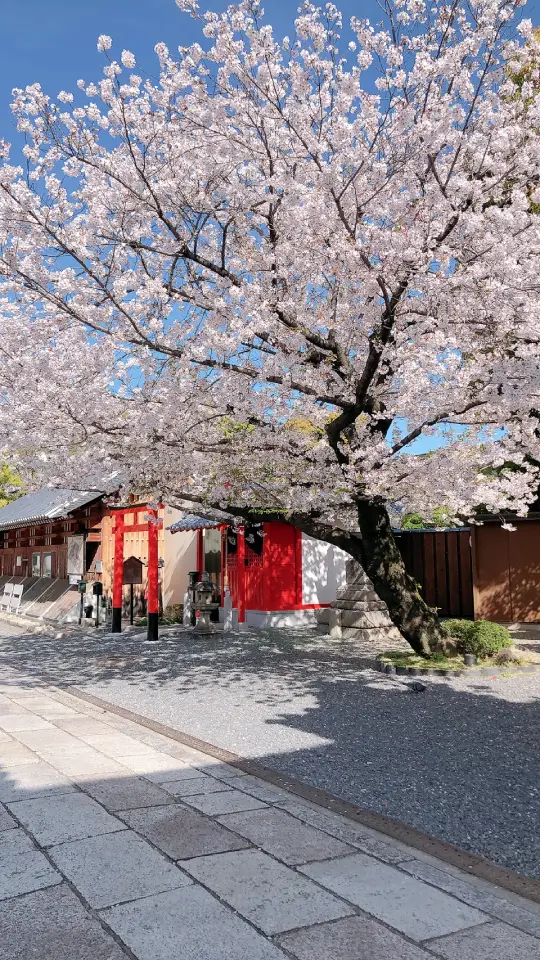
Spring in Kyoto (March–May): Cherry Blossoms & New Beginnings
Spring is one of the most celebrated seasons in Kyoto. As the city shifts from winter’s quiet atmosphere to warmer, brighter days, cherry blossoms begin to bloom across temples, shrines, riversides, and historic streets. The season symbolizes renewal in Japanese culture, and Kyoto offers countless ways to experience this sense of new beginnings.
Major Events & Traditions
• Cherry Blossom Viewing (Hanami)
Kyoto becomes a sea of soft pink during late March and early April. Popular spots include the Philosopher’s Path, Maruyama Park, and the grounds of Kiyomizu‑dera. Locals and visitors gather under the blossoms to enjoy picnics, photography, and the fleeting beauty of sakura.
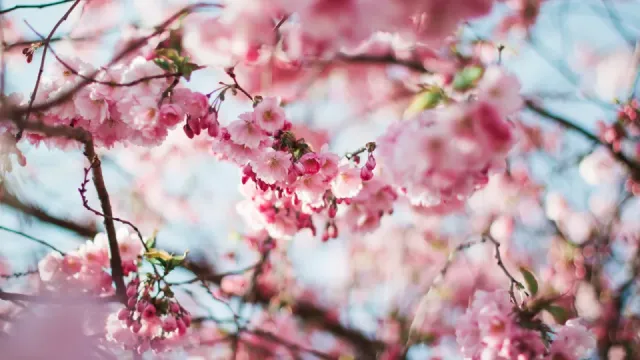
For detailed bloom predictions and Kyoto’s peak dates by area, see my guide “Sakura & Cherry Blossom Forecast 2026: Japan’s Nationwide Bloom Predictions and Kyoto’s 2025 Peak Viewing Dates by Area.”
• Miyako Odori Held in the Gion district, this traditional dance performance by geiko and maiko has been a spring highlight for over a century. It’s one of the best opportunities for travelers to experience Kyoto’s performing arts and seasonal elegance.
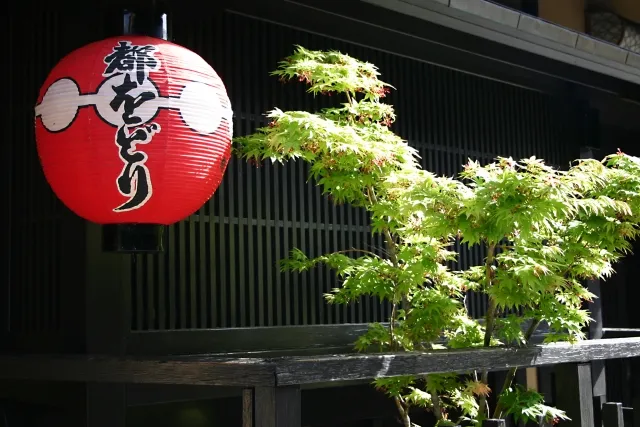
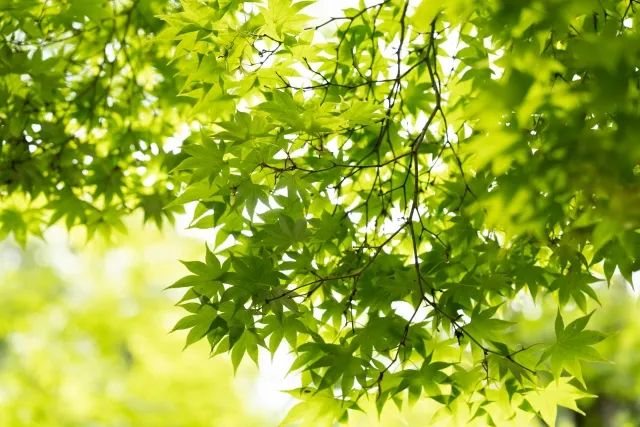
• Early Green Maple Season (Aomomiji) After the cherry blossoms fall, fresh green maple leaves appear. Temples like Eikando and Tofuku‑ji are especially beautiful during this time, offering a calm, refreshing contrast to the busy sakura season.
Travel Tips for Spring
Best Timing: Cherry blossoms usually peak between late March and early April, but dates vary each year.
Avoiding Crowds: Early morning visits offer a peaceful experience, especially at popular temples.
Weather Notes: Spring can be chilly in the mornings and evenings, so layering is recommended.
Spring is the perfect season for first‑time visitors, offering a blend of iconic scenery and cultural experiences that define Kyoto’s charm.
Summer in Kyoto (June–August): Festivals, Fire, and River Breezes
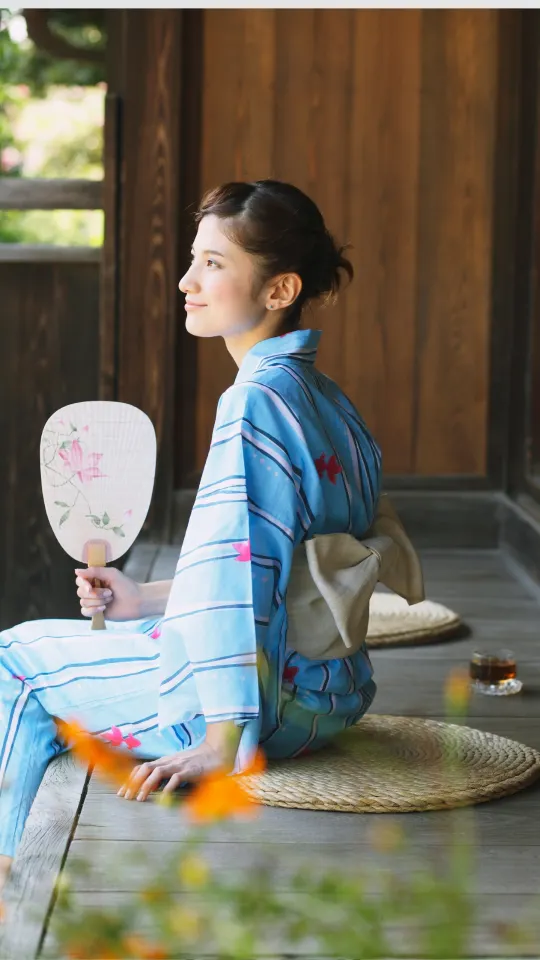
Summer in Kyoto is vibrant, energetic, and deeply rooted in centuries‑old traditions. While the heat and humidity can be intense, this season offers some of the city’s most iconic cultural experiences — from grand festivals to atmospheric evenings along the river. For travelers interested in history, spirituality, and local life, summer is one of the most memorable times to visit.
Major Events
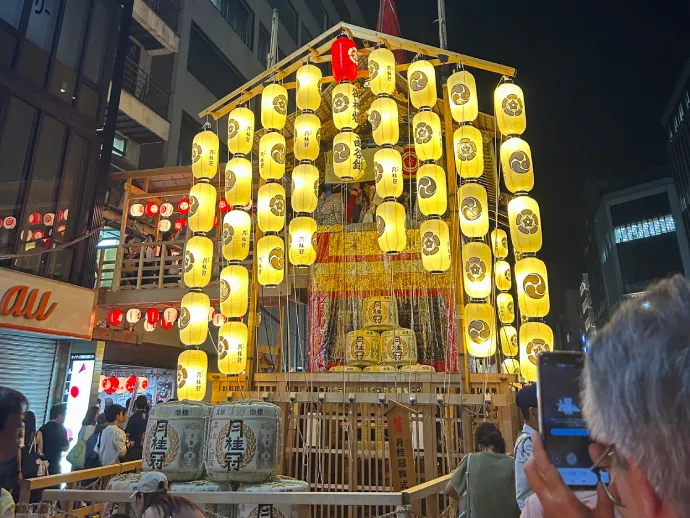
• Gion Matsuri (July) Kyoto’s most famous festival, Gion Matsuri, takes place throughout the entire month of July. The highlight is the Yamaboko Junko, a parade of towering wooden floats that are pulled through the streets. The nights leading up to the parade, known as Yoiyama, are filled with lanterns, traditional music, and open‑house displays of family treasures. It’s one of the best opportunities to feel Kyoto’s living traditions up close.
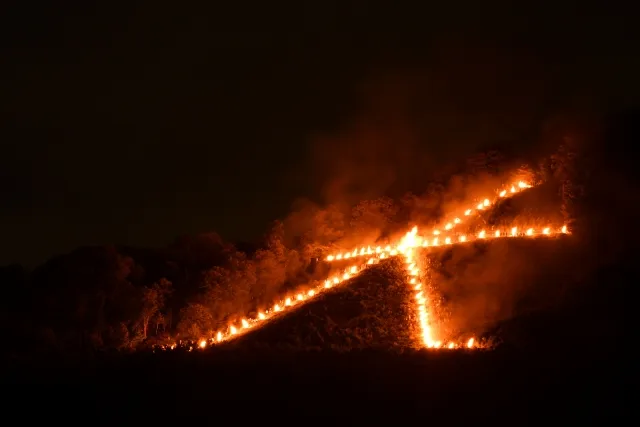
• Gozan no Okuribi (Daimonji-yaki) – August 16 On the evening of August 16, five giant bonfires are lit on Kyoto’s surrounding mountains. This event marks the end of Obon, a period when ancestral spirits are believed to return home. The glowing characters on the mountainsides create a powerful, spiritual atmosphere that can be seen from many parts of the city.
• Kawadoko Riverside Dining From May to September, restaurants along the Kamo River and in the cool mountain village of Kibune set up kawadoko — wooden platforms built over flowing water. Dining here is a uniquely Kyoto summer experience, offering a refreshing escape from the heat and a chance to enjoy seasonal cuisine in a beautiful setting.

Travel Tips for Summer
Stay Hydrated: Kyoto’s summer can be very hot and humid, so water and shade breaks are essential.
Best Time for Gion Matsuri: Evenings during Yoiyama are lively and atmospheric, but mornings offer quieter moments for photography.
Evening Activities: Summer nights are perfect for riverside walks, temple illuminations, and exploring Gion after sunset.
Summer in Kyoto is bold, festive, and full of energy — a season where ancient traditions and modern city life blend beautifully.
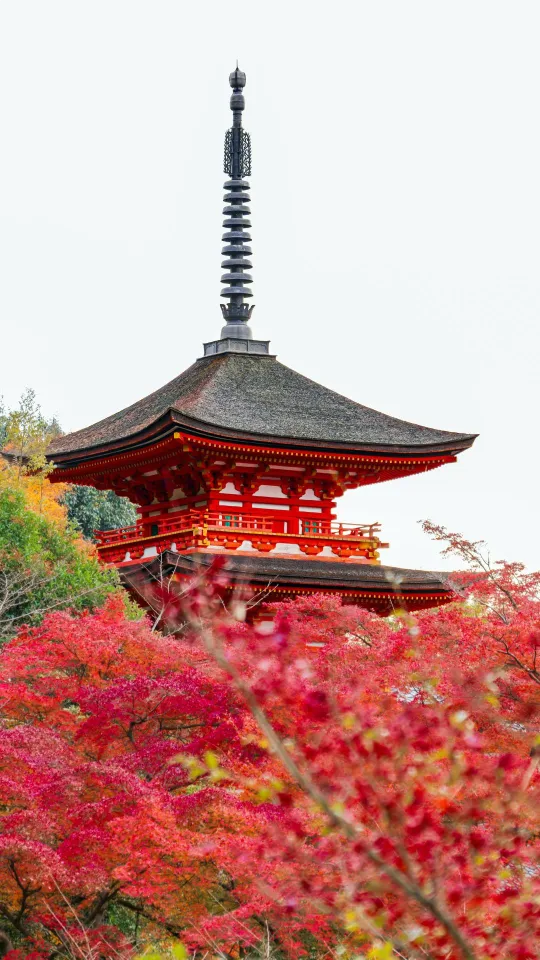
Autumn in Kyoto (September–November): Red Leaves & Cultural Treasures
Autumn is one of the most breathtaking seasons in Kyoto. As temperatures cool and the summer crowds fade, the city transforms into a landscape of deep reds, golds, and warm amber tones. This season is beloved not only for its beauty but also for the cultural depth it brings — from temple illuminations to special openings of historical sites rarely accessible at other times of the year.
Major Events
• Autumn Foliage (Kōyō) From mid‑November to early December, Kyoto’s temples and gardens glow with vibrant autumn colors. Famous spots include Eikando, Tofuku‑ji, Kiyomizu‑dera, and Arashiyama. Each location offers a different atmosphere, from sweeping valley views to intimate garden paths lined with maple trees.
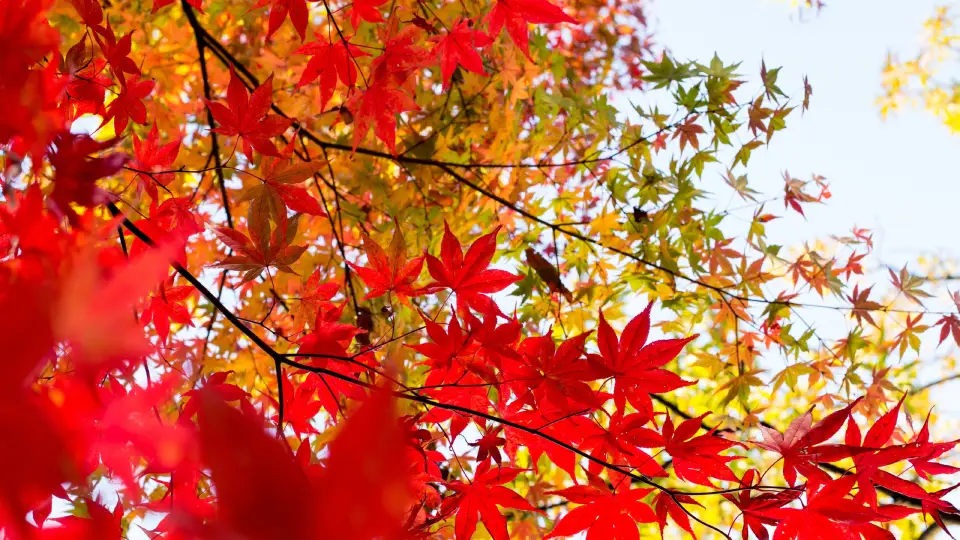
• Nighttime Illuminations Many temples host special evening light‑ups during the foliage season. Places like Kodaiji, Eikando, and Kiyomizu‑dera create magical nighttime scenes where autumn leaves reflect in ponds and lanterns illuminate historic architecture. These events are extremely popular and offer a completely different experience from daytime visits.
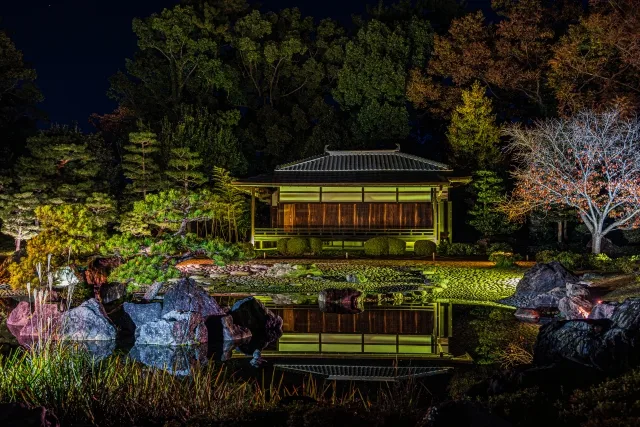
For more detailed updates and recommended viewing spots, you can explore my guides “Kyoto Autumn Leaves 2025: Current Status, Best Spots & Gentle Travel Tips” and “5 Hidden Autumn Foliage Spots in Kyoto: Peaceful Places Locals Love.”
• Autumn Special Openings (Tokubetsu Haikan) During this season, several temples and cultural properties open areas that are normally closed to the public. These limited‑time viewings often include historic rooms, rare artworks, or gardens that reveal Kyoto’s cultural heritage in a deeper way.
Travel Tips for Autumn
Peak Timing: Kyoto’s foliage usually peaks from mid‑November to early December, but popular spots begin turning earlier.
Photography Tips: Early mornings and late afternoons offer the best lighting for capturing autumn colors.
Crowd Strategy: Weekdays and early hours are ideal for quieter visits, especially at famous temples.
Autumn in Kyoto is rich, atmospheric, and deeply cultural — a season where nature and tradition come together in their most dramatic form.
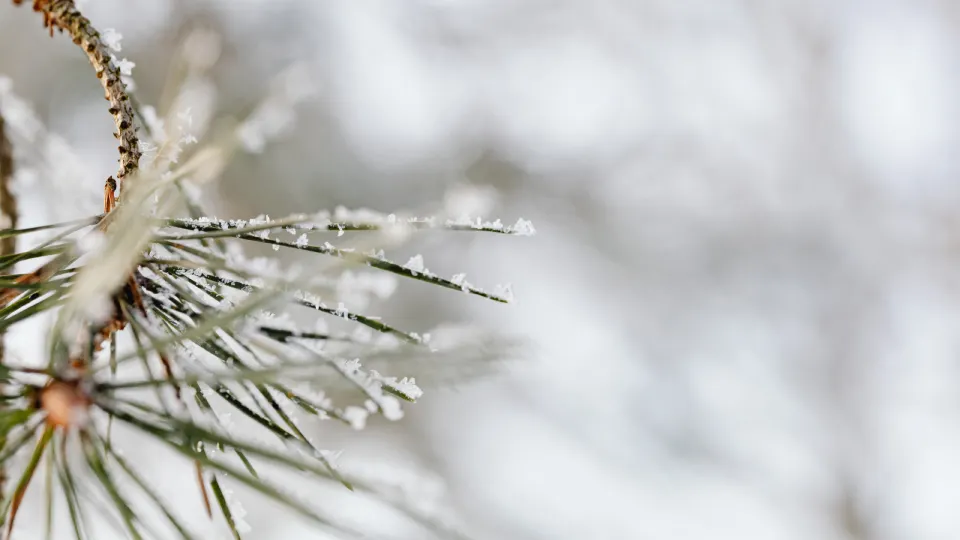
Winter in Kyoto (December–February): Quiet Temples & Spiritual Traditions
Winter brings a calm, reflective atmosphere to Kyoto. As the crowds thin and the air turns crisp, the city reveals a quieter beauty — from peaceful temple grounds to spiritual New Year traditions. While winter is the coldest season, it’s also one of the most rewarding times for travelers who enjoy slower moments, cultural depth, and the possibility of seeing Kyoto covered in snow.
Major Events
• Hatsumode (New Year Shrine Visits) From January 1st onward, people across Japan visit shrines to pray for good fortune in the coming year. In Kyoto, popular spots include Fushimi Inari Taisha, Yasaka Shrine, and Kitano Tenmangu. The atmosphere is lively yet respectful, with food stalls, omikuji fortunes, and special New Year charms available only during this season.
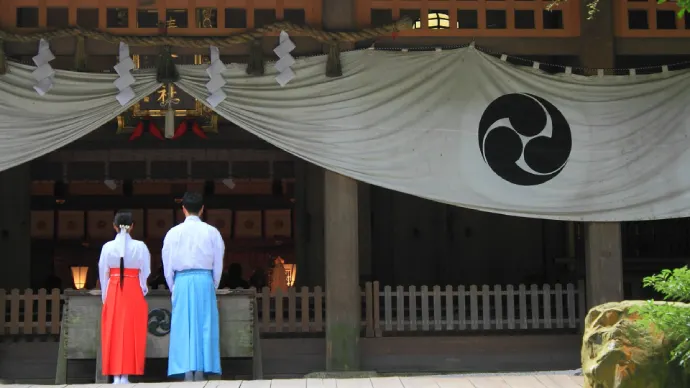
For a step‑by‑step guide to shrine etiquette and New Year traditions, you can read “Hatsumode in Japan: How to Pray at a Shrine, Read Omikuji, and Write Ema.” If you’re interested in the meaning of Japanese amulets, see “Omamori in Kyoto: Types, Meanings, and Where to Buy Them.”
• Setsubun Rituals (Early February) Setsubun marks the transition from winter to spring, and Kyoto hosts some of the most vibrant celebrations in Japan. At Yoshida Shrine, thousands gather for bean‑throwing ceremonies meant to drive away evil spirits. Mibu‑dera offers traditional performances by the Mibu Kyogen troupe, creating a unique blend of ritual and theater.
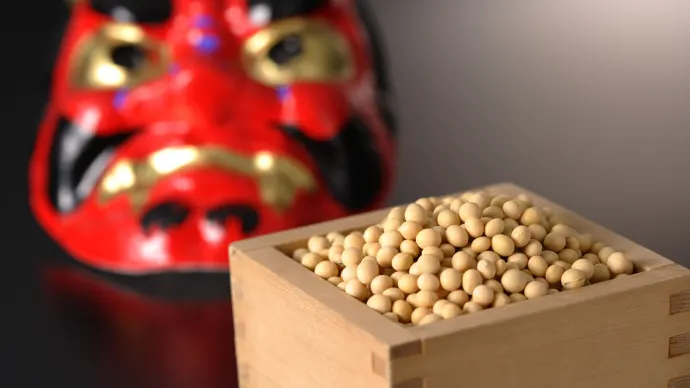
For a detailed guide to Kyoto’s major Setsubun events, including dates, schedules, and access information, see the full article here: https://learnjapanesekyoto.online/kyoto-setsubun-events/
• Snowy Temple Scenery Although Kyoto doesn’t receive heavy snowfall every year, when it does, the city becomes breathtaking. Places like Kinkaku‑ji, Ginkaku‑ji, and Kiyomizu‑dera look especially magical under a layer of fresh snow. Early mornings after a snowfall offer the best chance to see these iconic views before the snow melts.
Travel Tips for Winter
Dress Warmly: Kyoto winters can be cold, especially in the mornings and evenings. Layers, scarves, and gloves make temple visits more comfortable.
Best Chance for Snow: Snow is most likely in late January or early February, usually overnight.
Why Winter Is Special: Fewer tourists, clearer air, and a slower pace make winter ideal for travelers who want a more intimate experience of Kyoto’s temples and traditions.
Winter in Kyoto is serene, spiritual, and deeply atmospheric — a season that invites visitors to slow down and appreciate the city’s quieter side.
Conclusion: Kyoto Is a City That Changes With the Seasons
Kyoto reveals a different kind of beauty in every season — from spring’s soft blossoms to summer festivals, autumn colors, and winter’s quiet temple scenes. Understanding these seasonal traditions helps you connect more deeply with the city and appreciate the rhythms that shape daily life here. No matter when you visit, Kyoto offers its own unique atmosphere and cultural experiences waiting to be discovered.
Related Posts
- Sakura & Cherry Blossom Forecast 2026: Japan’s Nationwide Bloom Predictions and Kyoto’s 2025 Peak Viewing Dates by Area
- Day Pass Gyms in Kyoto: 3 Best Options for Tourists
- Joya no Kane in Kyoto: Where Visitors Can Ring the New Year’s Eve Temple Bell
- Japanese Sake Tasting in Kyoto: Best Breweries with English Tours