
Last updated: January 24, 2026
Kyoto Kintsugi Guide: What It Is and Where to Join a Workshop
Kintsugi, the Japanese art of repairing broken pottery with gold, has become one of the most admired expressions of Japanese aesthetics around the world. Rooted in the philosophy of embracing imperfections, Kintsugi reflects the spirit of wabi-sabi—finding beauty in things that are incomplete, aged, or transformed over time.
Kyoto, with its deep traditions in tea ceremony, ceramics, and craftsmanship, is one of the best places in Japan to experience Kintsugi firsthand. Today, several studios across the city offer beginner‑friendly workshops where travelers can learn the basics of this timeless technique and create a meaningful, one‑of‑a‑kind souvenir.
This guide explains what Kintsugi is, why it holds such cultural significance, and where you can join a Kintsugi workshop during your visit to Kyoto.
What Is Kintsugi? — The Art of Repairing with Gold
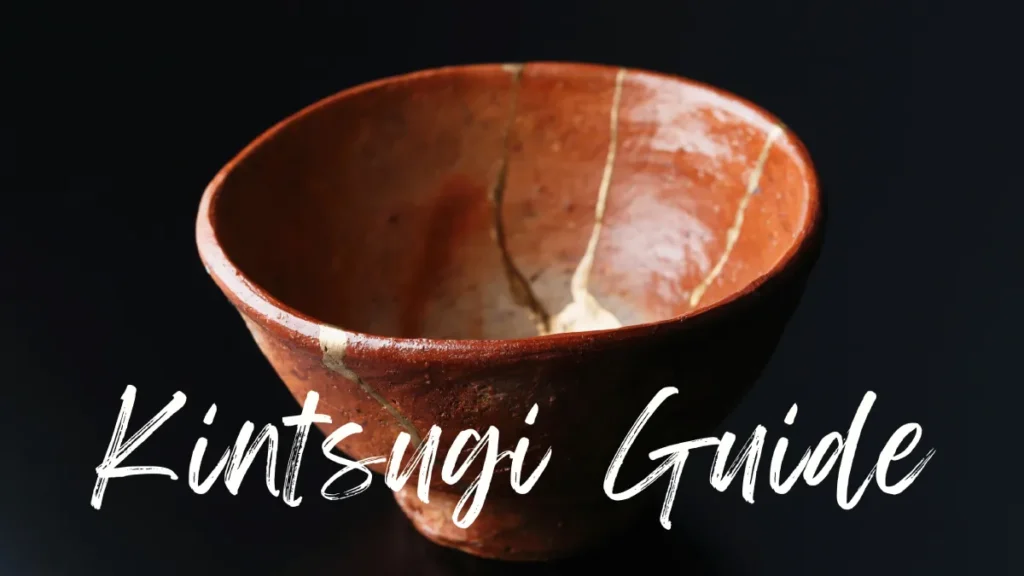
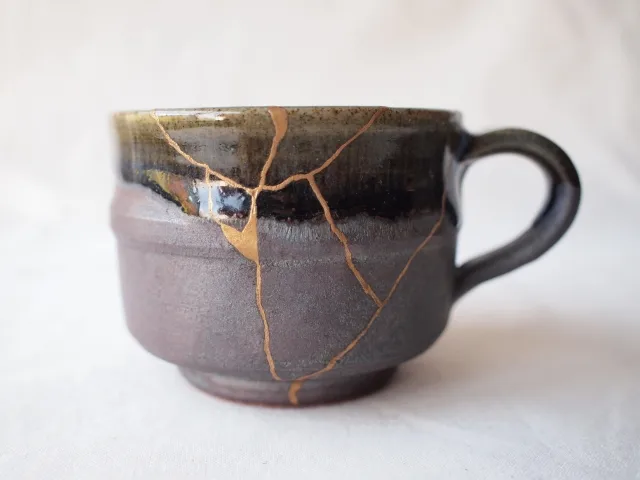
Kintsugi is a traditional Japanese technique for repairing broken pottery using lacquer and gold. Rather than hiding cracks, Kintsugi highlights them, transforming damage into a beautiful part of the object’s history. The word comes from kin (gold) and tsugi (to join), and the finished piece often features shimmering gold lines that trace the vessel’s past.
This approach reflects a uniquely Japanese way of thinking: instead of discarding something when it breaks, you honor its story and give it new life. Kintsugi is closely connected to the philosophy of wabi‑sabi, which values imperfection, transience, and the quiet beauty found in natural aging. For many people, both in Japan and abroad, Kintsugi represents resilience and the idea that flaws can become strengths.
In recent years, Kintsugi has gained international attention as a symbol of mindfulness and sustainable living. Travelers visiting Kyoto often seek out Kintsugi workshops not only to learn the technique but also to experience this deeper cultural mindset firsthand.
Why Kintsugi Represents Japanese Aesthetics
Wabi-sabi and the Beauty of Imperfection
At the heart of Kintsugi is the belief that imperfections can be beautiful. This idea is rooted in wabi‑sabi, a Japanese aesthetic that appreciates simplicity, natural materials, and the quiet elegance of things that have aged over time. Instead of aiming for perfection, Kintsugi embraces the marks of use and the passage of years.
Sustainability and Mindfulness
Kintsugi also reflects Japan’s long tradition of valuing objects and repairing them rather than throwing them away. In a world where mass production and fast consumption are common, Kintsugi offers a slower, more mindful approach. Many visitors find the process calming, almost meditative, as they focus on each step of restoring a cherished piece.
Where to Experience Kintsugi Workshops in Kyoto
1. Tomi Kintsugi Studio(Higashiyama Area)
A popular studio known for its calm atmosphere and beginner‑friendly lessons. English support is often available, making it easy for international visitors.
Google Maps
Official Website
2. Kintsugi Workshop kulukulu(Nakagyo Ward)
A cozy, welcoming workshop perfect for first-timers. Participants can learn the basics of Kintsugi in a relaxed, local Kyoto neighborhood.
Google Maps
Official Website
3. POJ Studio (Shimogyo Ward)
A craft-focused studio known for introducing Japanese artisanship to global audiences. Offers Kintsugi-related sessions and high-quality materials.
Google Maps
Official Website
What You Can Expect in a Kintsugi Workshop
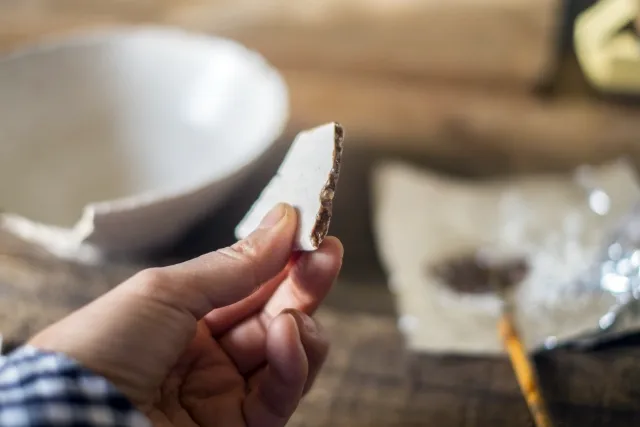
Joining a Kintsugi workshop in Kyoto is a hands‑on, calming experience that allows you to learn the basics of this traditional craft while creating a meaningful piece of art. Most workshops begin with a short introduction to the history and philosophy behind Kintsugi, followed by a demonstration of the tools and materials used—such as lacquer, gold powder, and small brushes.
Participants usually work with a pre‑broken ceramic piece provided by the studio, though some places allow you to bring your own item. Under the guidance of an instructor, you will learn how to join the broken pieces, apply lacquer, and highlight the repaired lines with gold. The process is slow and meditative, encouraging you to focus on each step rather than rushing to the final result.
Workshops typically last between 60 and 120 minutes, depending on the studio and the level of detail involved. Some studios offer simplified, travel‑friendly versions of Kintsugi that allow you to take your piece home the same day, while others use more traditional materials that may require additional drying time. Either way, you’ll leave with a deeper appreciation for Japanese craftsmanship and a unique souvenir that carries its own story.
Conclusion
Kintsugi is more than a method of repairing pottery—it is a reflection of Japanese aesthetics, mindfulness, and the belief that imperfections can become a source of beauty. Kyoto, with its long history of craftsmanship and traditional arts, is one of the best places to experience this philosophy firsthand.
Whether you join a beginner‑friendly workshop, explore a craft studio, or simply learn about the meaning behind the golden lines, Kintsugi offers a memorable way to connect with Kyoto’s cultural heart. It’s a meaningful activity for travelers seeking a deeper, more personal experience during their visit to Japan.
Related Posts
- Kyoto’s Seasonal Events Guide: A Cultural Journey Through Spring, Summer, Autumn, and Winter
- Day Pass Gyms in Kyoto: 3 Best Options for Tourists
- Sakura & Cherry Blossom Forecast 2026: Japan’s Nationwide Bloom Predictions and Kyoto’s 2025 Peak Viewing Dates by Area
- Japanese Sake Tasting in Kyoto: Best Breweries with English Tours