
Last updated: January 20, 2026
Kyoto Ehomaki Guide: Meaning, Cultural Background, and Where to Buy During Setsubun
In 2026, the lucky direction for Setsubun is south‑south‑east. As February approaches, Kyoto’s supermarkets, markets, and sushi shops begin displaying colorful rolls of Ehomaki—a traditional sushi roll eaten during Setsubun to invite good fortune for the year. Although Ehomaki is now enjoyed across Japan, its roots lie in the Kansai region, making Kyoto one of the best places to experience this seasonal food tradition. This guide explains what Ehomaki is, why people eat it, where to buy it in Kyoto, and how to enjoy it like a local.
What Is Ehomaki? — The Lucky Sushi Roll of Setsubun
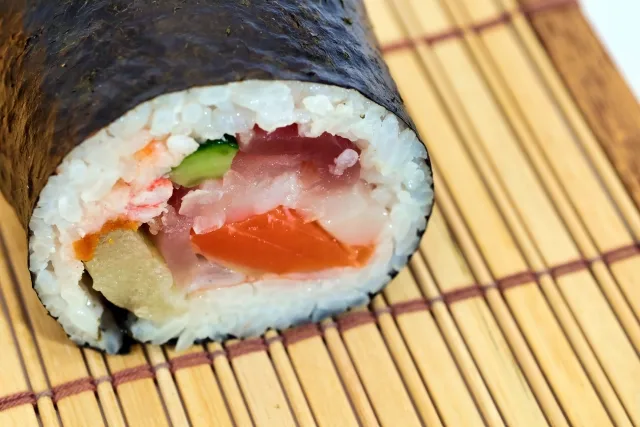
Ehomaki is a thick sushi roll traditionally eaten during Setsubun, the seasonal marker that welcomes the arrival of spring in Japan. Unlike regular sushi rolls that are sliced into bite‑sized pieces, Ehomaki is eaten whole. This custom symbolizes keeping good fortune intact and preventing luck from “breaking apart.”
The roll typically contains several colorful ingredients—such as egg, shiitake mushrooms, cucumber, kanpyo, and eel—wrapped in a sheet of nori. In Kyoto and the wider Kansai region, Ehomaki has long been considered a lucky food, and its popularity has spread nationwide in recent decades.
Although Ehomaki is now widely available across Japan, Kyoto remains one of the best places to experience this tradition because the custom originally took root in the Kansai area. During late January and early February, supermarkets, markets, and sushi shops throughout the city proudly display their own versions of this auspicious roll.
Why Do People Eat Ehomaki? — Cultural Background
Ehomaki is more than just a seasonal food—it carries layers of symbolism rooted in Japanese folk beliefs and regional customs.
The Meaning of “Eho” (Lucky Direction)
Each year, a specific direction is considered auspicious based on traditional zodiac calculations. This direction is called eho, and in 2026 it is south‑south‑east. Facing this direction while eating Ehomaki is believed to help you receive blessings from the deity of good fortune for the year.
Why You Eat It in Silence
One of the most distinctive aspects of the tradition is eating the entire roll without speaking. This practice is said to keep your wish from “escaping” and to help you focus your mind on inviting good luck. In many Kyoto households, it’s common to hear parents remind children, “Don’t talk until you finish your Ehomaki!”
Symbolism of the Seven Ingredients
Many Ehomaki rolls contain seven main ingredients, representing the Seven Lucky Gods (Shichifukujin). The idea is that eating all seven brings a full set of blessings—prosperity, longevity, happiness, and protection from misfortune.
Where to Buy Ehomaki in Kyoto
Kyoto offers a wide range of places to enjoy Ehomaki, from traditional markets to modern convenience stores. Whether you’re a traveler or a local resident, you’ll find options that suit your taste and schedule.
Traditional Markets (Nishiki Market)
Department Store Food Halls (Daimaru, Takashimaya)
Kyoto’s department stores offer premium Ehomaki made by well‑known sushi shops and restaurants. These rolls often feature high‑quality ingredients such as eel, shrimp, or seasonal vegetables, making them ideal for travelers who want a reliable and delicious option.
Daimaru Kyoto Store on Google Maps
Takashimaya Kyoto Store on Google Maps
Local Sushi Shops
Small neighborhood sushi shops throughout Kyoto prepare their own Ehomaki, often using family recipes passed down through generations. These rolls tend to be more traditional and reflect the flavors of the local community.
Convenience Stores for Travelers
If you’re short on time, convenience stores like 7‑Eleven, Lawson, and FamilyMart sell affordable and surprisingly tasty Ehomaki during the Setsubun season. They’re easy to find and perfect for travelers on the go.
Looking for More Places to Buy Sushi in Kyoto?
How to Enjoy Ehomaki Like a Local
To fully appreciate the tradition, try following the customs that Kyoto locals observe during Setsubun.
Face the Lucky Direction
Before eating, turn your body toward the year’s lucky direction—south‑south‑east in 2026. Many people even use their phone’s compass to make sure they’re facing the right way.
Eat Without Cutting the Roll
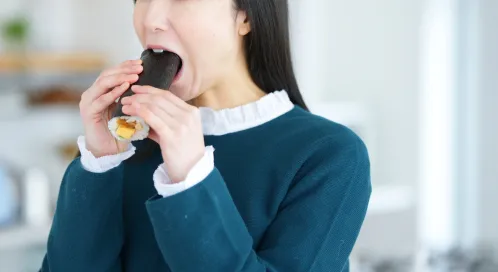
Ehomaki should be eaten whole to avoid “cutting off” your good fortune. Hold the roll with both hands and take your time enjoying it.
Combine It with Shrine Visits During Setsubun
Conclusion
Ehomaki is a delicious and meaningful part of Kyoto’s Setsubun traditions. From its symbolic ingredients to the practice of facing the year’s lucky direction, this simple sushi roll carries centuries of cultural significance. Whether you buy it at a traditional market, a local sushi shop, or a convenience store, enjoying Ehomaki in Kyoto offers a memorable way to welcome good fortune for the year ahead.
Related Posts
- Kyoto’s Seasonal Events Guide: A Cultural Journey Through Spring, Summer, Autumn, and Winter
- Sakura & Cherry Blossom Forecast 2026: Japan’s Nationwide Bloom Predictions and Kyoto’s 2025 Peak Viewing Dates by Area
- Day Pass Gyms in Kyoto: 3 Best Options for Tourists
- Setsubun in Kyoto: Bean‑Throwing Rituals and Special Shrine Events