
Last updated: December 20, 2025
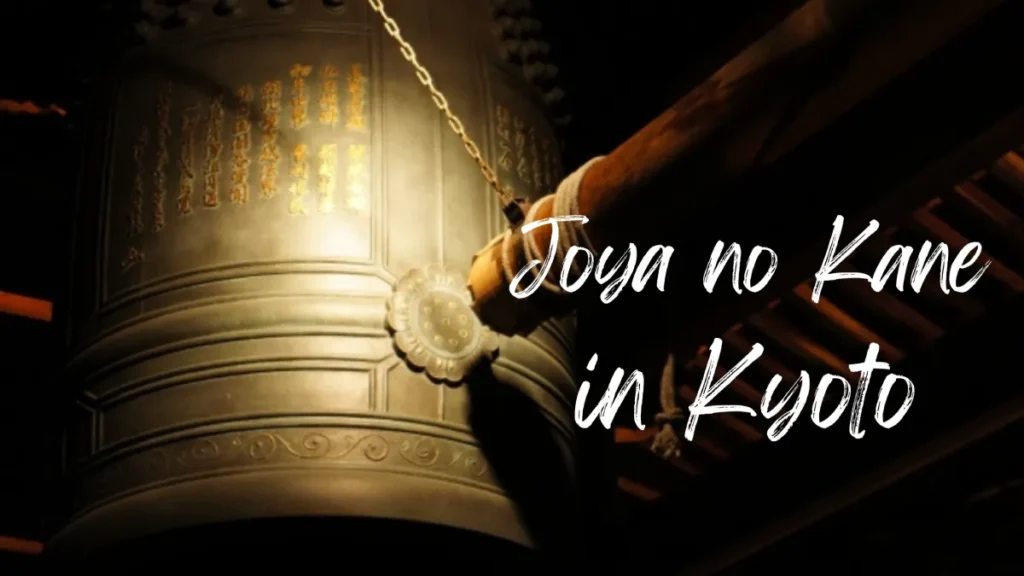
Joya no Kane in Kyoto: Where Visitors Can Ring the New Year’s Eve Temple Bell
What Is Joya no Kane?
The Meaning Behind the 108 Bell Rings
In Japanese Buddhism, the number 108 carries deep symbolic meaning. According to traditional belief, humans are burdened with 108 earthly desires—called bonnō—that cause suffering, distraction, and emotional imbalance. These desires include anger, jealousy, greed, ignorance, and many subtle attachments that cloud the mind.
When the temple bell is struck 108 times on New Year’s Eve, each resonating sound is said to purify one desire, helping people let go of the emotional weight they carried throughout the year. The ritual is not only symbolic but also meditative: the slow, powerful vibration of the bell encourages reflection, calmness, and a sense of renewal.
For many Japanese people, listening to or participating in the 108 bell rings is a meaningful way to welcome the new year with a clearer heart and mind.
Why the Bell Is Rung at Midnight
The timing of Joya no Kane is intentional and spiritually significant. The bell-ringing ceremony begins shortly before midnight on December 31 and continues into the first moments of January 1. This transition from the old year to the new symbolizes leaving behind past burdens and stepping into the new year with a refreshed spirit.
Traditionally, the first 107 strikes occur before midnight, representing the purification of desires accumulated during the old year. The final 108th strike happens just after midnight, marking the beginning of the new year. This final ring is believed to help people enter the year with a sense of spiritual clarity and good fortune.
For visitors, experiencing the bell at midnight offers a rare opportunity to witness a quiet, reflective side of Japanese culture—very different from the fireworks and countdown parties common in many countries.
How the Tradition Started in Japanese Buddhism
The origins of Joya no Kane can be traced back to Buddhist teachings introduced to Japan more than a thousand years ago. The practice of ringing large temple bells existed earlier, but the specific ritual of striking the bell 108 times on New Year’s Eve became widespread during the Muromachi period (1336–1573).
Buddhist monks used the bell’s deep sound to signal time, call practitioners to meditation, and symbolize the impermanence of life. Over time, temples began associating the bell with the purification of desires, drawing from Buddhist scriptures that describe the 108 forms of human suffering.
By the Edo period (1603–1868), the ritual had become a common New Year tradition across Japan, embraced not only by monks but also by ordinary people. Today, Joya no Kane remains one of the most recognizable Buddhist customs in Japan—an accessible, peaceful ritual that welcomes anyone seeking reflection and renewal.
Can Visitors Participate in Joya no Kane in Kyoto?
Many temples in Kyoto welcome visitors—both locals and travelers—to take part in Joya no Kane, the New Year’s Eve bell‑ringing ceremony. While some temples allow anyone to join the line and ring the bell, others limit participation through tickets, reservations, or a lottery system. Because each temple follows its own rules, it’s important for visitors to check the details in advance and arrive early, especially at popular locations.
Below are helpful guidelines to ensure a smooth and respectful experience.
General Rules and Etiquette for Ringing the Bell
Participating in Joya no Kane is considered a spiritual act rather than a festive event, so visitors are encouraged to follow basic etiquette:
Stay quiet and respectful The atmosphere is calm and reflective. Avoid loud conversations or phone use while waiting.
Follow the monk’s instructions A temple staff member or monk will guide each participant on how to hold the rope and when to strike the bell.
Strike the bell only once Each person typically rings the bell a single time to keep the line moving and maintain the ritual’s meaning.
These simple gestures help preserve the peaceful spirit of the ceremony.
Do You Need Reservations or Tickets?
Requirements vary widely depending on the temple:
Open to everyone (no reservation needed) Many temples allow visitors to join freely on a first‑come, first‑served basis. Lines can become long, especially before midnight.
Limited participation with numbered tickets Some temples distribute a fixed number of tickets earlier in the evening. Once they run out, no additional participants are accepted.
Reservation or lottery system A few well‑known temples require advance reservations or hold a lottery due to high demand or safety concerns.
Donation-based participation Some temples ask for a small donation (typically a few hundred yen) to support temple maintenance.
Because policies change each year, checking the temple’s official website or recent announcements is the safest approach.
Tips for First‑Time Participants
If this is your first time experiencing Joya no Kane in Kyoto, these practical tips will help you enjoy the night comfortably:
Arrive early Popular temples can attract long lines. Arriving 30–60 minutes before the ceremony begins increases your chance of participating.
Dress warmly Kyoto nights in late December are cold, often close to freezing. Wear layers, gloves, and warm shoes.
These tips help visitors enjoy the ceremony comfortably while respecting the cultural and spiritual significance of the tradition.
Best Kyoto Temples Offering Joya no Kane for Visitors (Free & No Reservation Needed)
🔔 1. Mibu-dera (壬生寺) – Nakagyo Ward
Overview
Mibu-dera is a centrally located temple known for its welcoming atmosphere and easy participation in the Joya no Kane ceremony. It is popular among locals and very accessible for travelers.
Bell-ringing availability
Open to the public (no reservation required)
No participant limit; about 10 people ring the bell together for each strike.
Time schedule
December 31
Bell ringing begins at 23:30
The ceremony ends after 108 strikes.
Fees or donations
Free (donations optional)
Access
Google Maps: Mibu-dera
About a 15-minute walk from Shijo Station (Karasuma Line)
Official Website
Notes for foreign visitors
Mibu-dera is one of the easiest temples for visitors to join. Because there is no limit on participants and groups ring the bell together, the line moves relatively quickly compared to other temples.
🔔 2. Chishaku-in (智積院) – Higashiyama Ward
Overview
Chishaku-in offers a calm and spacious environment, ideal for visitors who prefer a quieter New Year’s Eve
experience. The temple welcomes participants without reservations.
Bell-ringing availability
Open to the public (no reservation required)
Participants ring the bell once per group.
Time schedule
December 31
Bell ringing: 23:40–00:40
Final admission at 00:40
Fees or donations
Free
Access
Google Maps: Chishaku-in
About a 10-minute walk from Shichijo Station (Keihan Line)
Official Website
https://www.chisan.or.jp/chishakuin/
Notes for foreign visitors
Even close to midnight, the line moves smoothly. This temple is a good choice for visitors staying near
Kyoto Station or the Higashiyama area.
🔔 3. Eikando (永観堂) – Sakyo Ward
Overview
Eikando is famous for its autumn foliage and serene atmosphere. On New Year’s Eve, the temple offers a
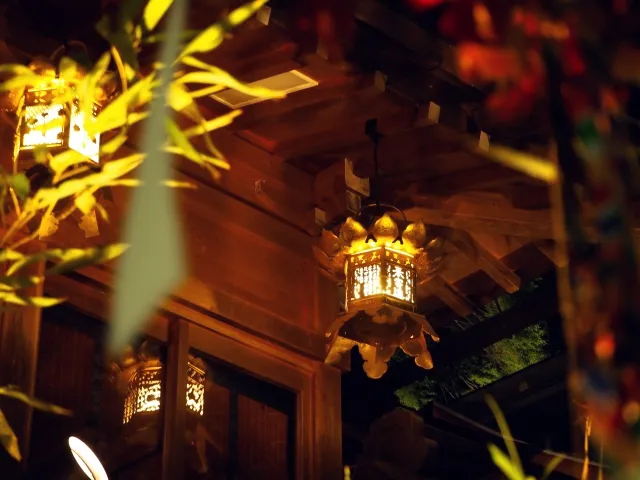
beautiful bell-ringing experience along lantern-lit paths.
Bell-ringing availability
Open to the public (no reservation required)
Anyone standing in line between 23:00 and 24:30 may participate.
Time schedule
December 31
Bell ringing: 23:00–24:30
Temple gates close at 24:30
Fees or donations
Free
Access
Google Maps: Eikando
About a 15–20 minute walk from Keage Station (Tozai Line)
Official Website
Notes for foreign visitors
Eikando is popular, so expect moderate lines. The walk from Keage Station is slightly uphill.
🔔 4. Houon-ji (報恩寺) – Kamigyo Ward
Overview
Houon-ji is a smaller, lesser-known temple offering a warm, community-oriented
Joya no Kane experience. It is perfect for visitors seeking a more local atmosphere.
Bell-ringing availability
Open to the public (no reservation required)
Ends after 108 strikes (standard practice)
Time schedule
December 31
Bell ringing starts at 23:45
The bell is an Important Cultural Property and is considered the oldest active temple bell in Kyoto.
Fees or donations
Free
Access
Google Maps: Houon-ji
About a 12-minute walk from Imadegawa Station (Karasuma Line)
Official Website
None
Notes for foreign visitors
Because it is less crowded than major temples, Houon-ji offers a peaceful and intimate New Year’s Eve
experience.
🔔 5. Seigan-ji (誓願寺) – Nakagyo Ward
Overview
Located near the lively Shijo–Kawaramachi area, Seigan-ji offers a surprisingly calm and spiritual
Joya no Kane experience in the heart of downtown Kyoto.
Bell-ringing availability
Open to the public
Tickets are distributed at 23:00
Limited to 108 groups (3–4 people per group)
Time schedule
December 31
Bell ringing begins at 23:00 (after ticket distribution)
Fees or donations
Free
Access
Google Maps: Seigan-ji
About a 5-minute walk from Kawaramachi Station (Hankyu Line)
Official Website
https://www.jodo.or.jp/temple/29-090/
Notes for foreign visitors
Because participation is limited to 108 groups, arriving before 23:00 is strongly recommended.
What to Expect During the Bell-Ringing Experience
Crowds and Waiting Time
The level of crowding varies depending on the temple, but visitors should generally expect steady lines and a calm, orderly atmosphere. Popular temples such as Eikando or Mibu-dera may attract long queues, especially just before midnight. Smaller temples like Houon-ji tend to be less crowded, offering a more intimate experience.
Most temples operate on a first‑come, first‑served basis, so arriving early—around 30 to 60 minutes before the start time—greatly increases your chances of participating. Even when the line is long, it usually moves at a gentle but consistent pace, as each participant rings the bell only once.
Despite the crowds, the mood is peaceful. People wait quietly, appreciating the significance of the moment rather than treating it as a festive countdown.
Safety and Comfort Tips for Winter Nights
Kyoto’s winter nights can be very cold—often close to freezing—so preparing properly will make the experience much more comfortable.
Practical tips for staying warm and safe:
Dress in layers Thermal clothing, scarves, gloves, and warm socks are essential.
Wear comfortable shoes You may be standing for a long time, and some temples involve uphill paths or stone steps.
Bring a small bag Large backpacks can get in the way in narrow temple paths.
Stay aware of your surroundings Temple grounds can be dark, and surfaces may be slippery due to frost.
If using public transportation On December 31, Kyoto’s subways and city buses operate on a holiday schedule. It’s a good idea to check the last train and bus departure times in advance to avoid getting stranded after midnight.
Stay hydrated Even in winter, long waits can be dehydrating. Some temples offer warm tea, but not all.
With the right preparation, visitors can enjoy the ceremony comfortably and safely while fully appreciating the peaceful atmosphere of Kyoto’s New Year’s Eve traditions.
Conclusion: A Meaningful Way to Welcome the New Year in Kyoto
Experiencing Joya no Kane in Kyoto is more than just a traditional event—it is a moment of reflection, renewal, and quiet connection with Japanese culture. Whether you join the line at a famous temple like Eikando or choose a smaller, more intimate place such as Houon-ji, the deep resonance of the bell offers a peaceful way to let go of the past year and welcome the new one with clarity.
The ceremony’s calm atmosphere, combined with the winter night air and the soft glow of temple lanterns, creates an unforgettable experience for travelers. It is a rare opportunity to step away from the noise of everyday life and share a meaningful tradition with locals and visitors alike.
For many, ringing the bell becomes a cherished memory of Kyoto—a moment that stays with them long after the sound fades. If you are in the city on New Year’s Eve, taking part in Joya no Kane is one of the most authentic and heartfelt ways to begin the year anew.