

Last updated: November 17, 2025
How to Use Taxis in Japan: Hailing, Fares, Payment Methods, Japanese Phrases, and Etiquette
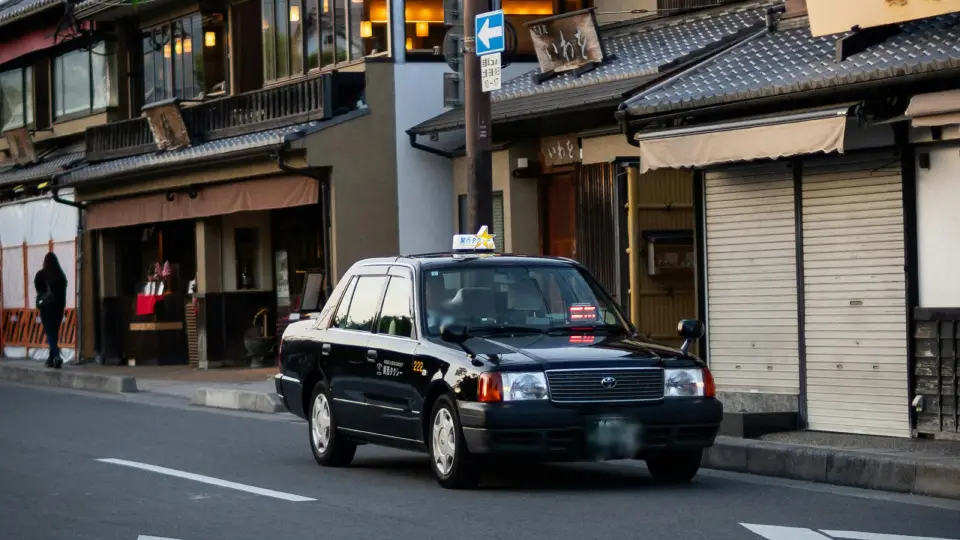
How to Hail a Taxi in Japan
Taking a taxi in Japan is usually straightforward, but for many travelers it can feel unfamiliar at first. Unlike some countries where you wave down any passing cab, Japan has its own system of taxi stands, signs, and etiquette. Knowing where to find a taxi and how to recognize when it is available will make your journey smoother and stress‑free.
Where to Find Taxis
- Taxi Stands at Stations and Hotels
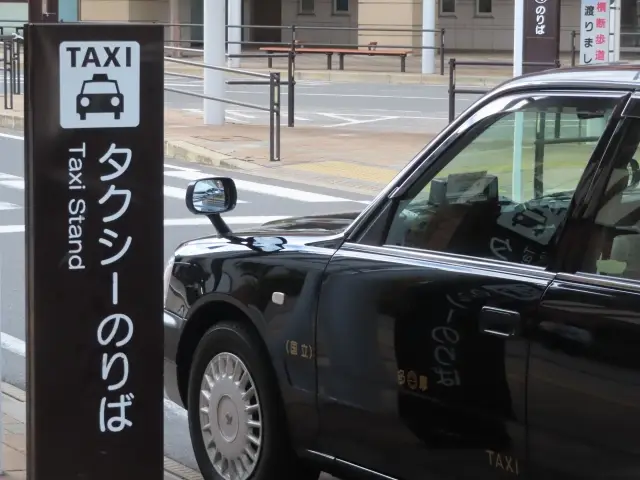
Major train stations, bus terminals, and hotels almost always have designated taxi stands. Look for signs that say “タクシーのりば” (takushii noriba, taxi stand). This is the easiest and most reliable way to catch a cab.
- Busy Streets and Tourist Areas
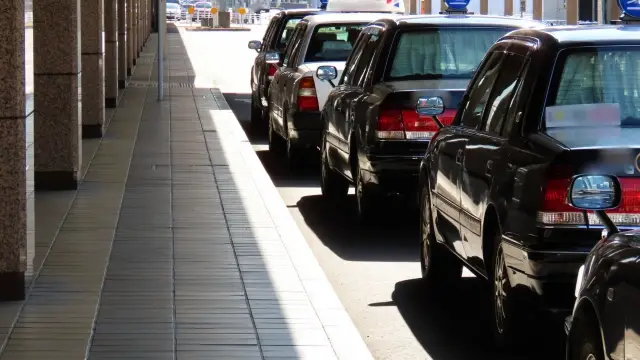
In large cities such as Tokyo, Osaka, or Kyoto, taxis often wait along main roads near shopping districts or sightseeing spots. If you see a line of cars with taxi signs, you can approach the first one in line.
- Hailing on the Street
In urban areas, you can raise your hand to hail a taxi directly from the roadside. However, in smaller towns or rural areas, taxis are less common, so it is better to use a taxi stand or call one by phone.
- Taxi Apps
Apps like JapanTaxi, DiDi, or Uber Japan allow you to book a taxi in advance. Many apps now offer English interfaces, making them convenient for foreign travelers.
💡 Traveler’s Tip
If you are unsure, head to the nearest train station or hotel entrance—there will almost always be taxis waiting.
How to Recognize Vacant Signs
- Red “Vacant” Sign (空車 / Kuusha)
A red sign in the front window or above the taxi indicates that the cab is available. This is the one you want to look for.
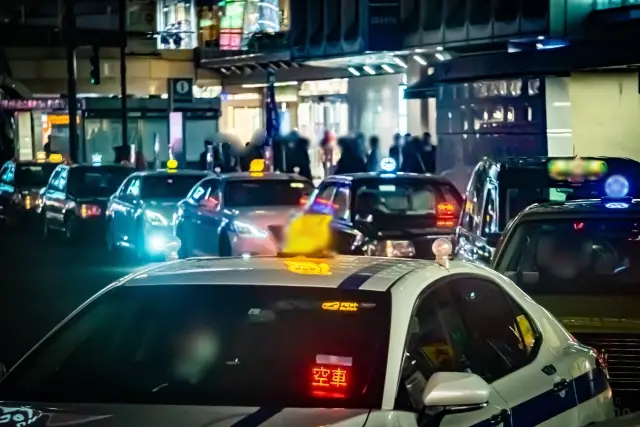
- Green or Blue “Occupied (賃走 / Chinsou) /Reserved (予約 / Yoyaku)” Sign
If the sign says “賃走” (occupied) or “予約” (reserved), the taxi is not available.
- Yellow “Out of Service” Sign (回送 / Kaisou)
This means the taxi is heading back to the garage or is not accepting passengers.
💡 Traveler’s Tip
Reading the small Japanese characters on a moving taxi sign can be quite difficult—even for locals. If you want to catch a taxi on the street, the easiest way is simply to raise your hand. Vacant taxis will stop for you when they see the gesture.
Taxi Fares and Payment Methods
Understanding taxi fares in Japan can help you avoid surprises and feel more confident when traveling. While taxis are safe and reliable, the fare system and payment options may differ from what you are used to at home.
Fare System and Extra Charges
Base Fare (Initial Charge)
Taxi fares start with a base fare, usually around ¥410–¥500 in major cities. This covers the first 1–2 kilometers.Distance and Time Charges
After the base fare, the meter increases based on distance traveled and time spent in traffic.Late-Night Surcharge
Between 10 p.m. and 5 a.m., fares increase by about 20%.Regional Differences
Fares vary slightly depending on the city. For example, Tokyo taxis may start at a lower base fare compared to Kyoto or Osaka.
💡 Traveler’s Tip
The fare is always shown clearly on the meter, so checking it during your ride will give you peace of mind. If you are worried about the cost, you can tell the driver your destination before getting in and politely ask for an approximate fare. This way, you will feel more comfortable knowing the expected price.
Payment Options (Cash, Credit Card, IC, QR)
Cash (現金 / Genkin)
Cash is still the most common way to pay. Have small bills and coins ready.Credit and Debit Cards
Many taxis accept major cards (Visa, MasterCard, JCB), but not all. Look for card stickers on the window.IC Cards (Suica, Pasmo, ICOCA)
In big cities, you can tap your IC card to pay, just like on trains.QR Code Payments (PayPay, LINE Pay, Alipay)
Increasingly popular, especially in urban areas. Ask the driver if QR payment is available.
💡 Traveler’s Tip
If you are unsure, ask politely: 「カードは使えますか?」 (Kaado wa tsukaemasu ka?) – Can I use a credit card?
Useful Japanese Phrases for Taxi Rides
Communicating with taxi drivers in Japan is usually simple, but knowing a few basic Japanese phrases can make your ride smoother and more comfortable. Even if many drivers understand some English, using Japanese shows respect and helps avoid confusion.
🗣 Sample Sentences - Asking for Destinations
Romaji: ___ made onegaishimasu
English: Please take me to ___.
Example: 京都駅までお願いします / kyoto eki made onegaishimasu / Please take me to Kyoto Station.
Romaji: Kono juusho made onegaishimasu
English: Please take me to this address.
Tip: Show the address on your phone or a printed note.
Romaji: Koko de tomete kudasai
English: Please stop here.
Tip: Use near your destination or a landmark.
Romaji: ___ no chikaku de tomete kudasai
English: Please stop near ___.
Example: コンビニの近くで 止めてください / Konbini no chikaku de tomete kudasai / Please stop near the convenience store.
🗣 Sample Sentences - Payment and Receipts
Romaji: ___ made daitai ikura desu ka?
English: About how much is it to ___?
Ask this when boarding to get an approximate fare before the ride.
Romaji: Kaado wa tsukaemasu ka?
English: Can I use a credit card?
Ask this before paying to confirm accepted methods.
Romaji: Genkin de haraimasu
English: I will pay in cash.
Useful when the driver asks about payment preference.
Romaji: Reshiito o kudasai
English: Please give me a receipt.
Receipts are often needed for expense claims or travel records.
💡 Traveler’s Tip
If you are unsure about payment options, ask before the ride. Most drivers are happy to explain or point to the accepted methods.
🗣 Sample Sentences - Polite Expressions
Japanese: ありがとうございました
Romaji: Arigatou gozaimashita
English: Thank you very much.
Say this when leaving the taxi to show appreciation.
Japanese: すみません
Romaji: Sumimasen
English: Excuse me / I’m sorry.
Useful to get the driver’s attention or to apologize politely.
Taxi Etiquette in Japan
Japanese taxis are safe, clean, and reliable. However, there are a few cultural points and etiquette rules that travelers should know. Following these customs will make your ride smoother and leave a good impression.
Key Etiquette Points
- Automatic Doors Taxi doors open and close automatically. Do not try to pull or push the door yourself.
- No Tipping Culture Tipping is not expected in Japan. The fare shown on the meter is the exact amount you should pay.
- Polite Communication Simple phrases like “お願いします” (Onegaishimasu – Please) and “ありがとうございました” (Arigatou gozaimashita – Thank you very much) are appreciated.
Related Posts
- Essential Japanese for Travelers: How to Pay in Japanese (Cash, Credit Card, Receipt)
- Essential Japanese for Travelers: Simple Phrases for the Convenience Store
- Essential Japanese for Travelers: How to Ask “Where Is ___?” in Japanese
- Basic Japanese Phrases You’ll Hear in Kyoto: Greetings & the Magic of Sumimasen