
Last updated: December 26, 2025
Hatsumode in Japan: How to Pray at a Shrine, Read Omikuji, and Write Ema
Hatsumode is the first shrine visit of the year in Japan, and for many travelers, it becomes one of the most memorable cultural experiences of their trip. From offering prayers for good fortune to drawing omikuji and writing ema, Hatsumode combines tradition, spirituality, and a festive New Year atmosphere.
If you’re visiting Japan around January 1st, you’ll likely see long lines at Shinto shrines, families dressed in warm winter clothes, and the smell of incense drifting through the cold air. It may look a little overwhelming at first, but don’t worry—this guide will walk you through everything you need to know.
In this article, you’ll learn how to pray properly at a Japanese shrine, how to read and interpret omikuji, and how to write ema so you can enjoy Hatsumode with confidence and cultural understanding.
What Is Hatsumode?
Hatsumode is the first shrine visit of the year in Japan, usually between January 1st and 3rd. People visit a Shinto shrine (or sometimes a Buddhist temple) to pray for good health, happiness, and good fortune in the coming year.
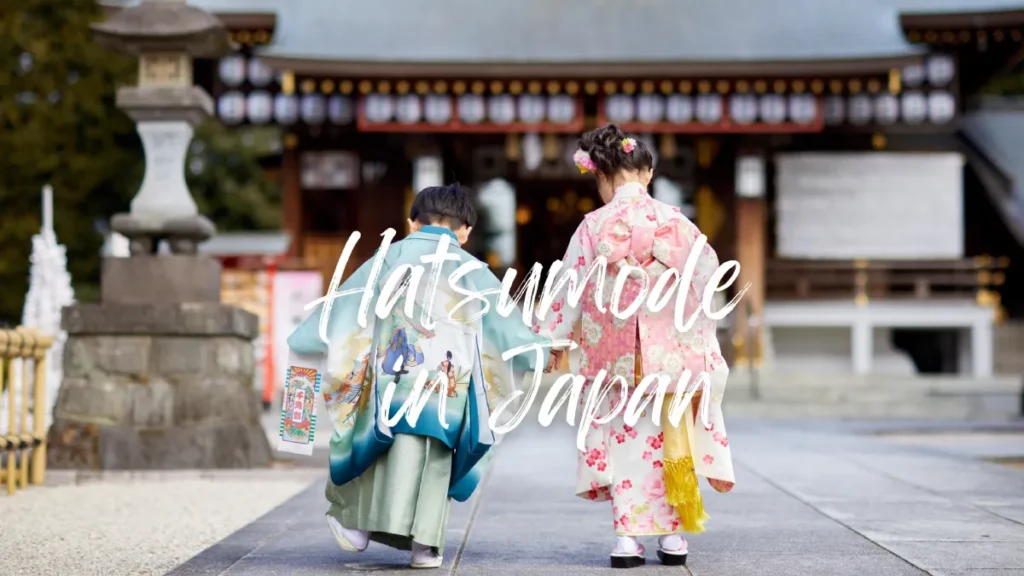
Shrines become lively with families and friends lining up to offer their first prayers. You may see food stalls, festive decorations, and even people wearing kimono. Despite the crowds, the atmosphere feels warm and hopeful.
For many Japanese people, Hatsumode marks a fresh start. Visitors offer a small donation, ring a bell, bow, clap, and make a silent wish. Many also draw omikuji or write ema to express their hopes for the year.
You can visit any shrine for Hatsumode—there is no specific place you must go. Some people choose a famous shrine, while others simply visit a small local one near their home or hotel. Both are perfectly acceptable, and the meaning of the visit remains the same.
If you’re in Japan during New Year’s, experiencing Hatsumode is a beautiful way to connect with local traditions.
⛩️ How to Pray at a Shrine
1. Purify Your Hands and Mouth at the Chōzuya
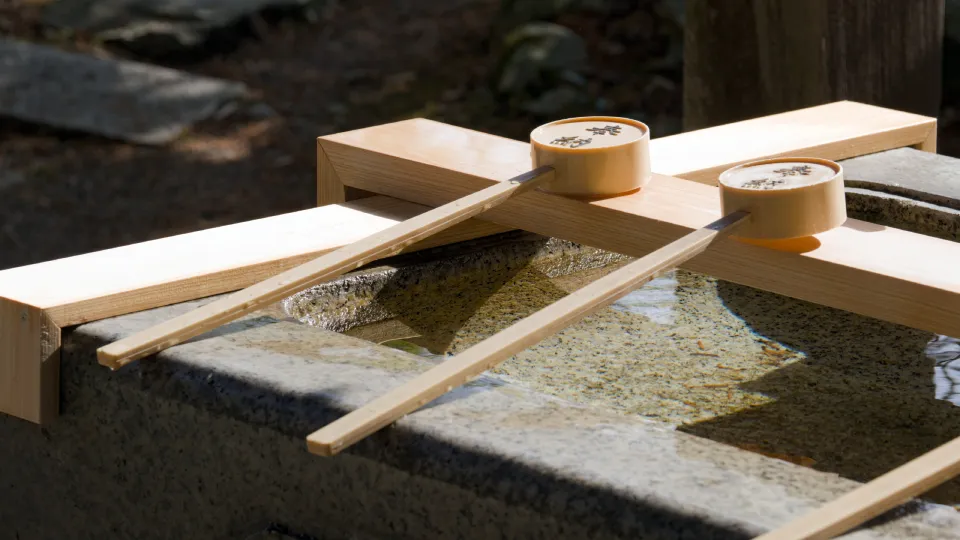
Before you pray, stop at the chōzuya (purification fountain) to clean your hands and mouth.
Use the ladle to wash your left hand.
Switch hands and wash your right hand.
Pour a little water into your left hand and rinse your mouth.
Wash your left hand again.
Hold the ladle upright to let the water run down the handle.
This simple ritual helps you purify yourself before entering the sacred area.
2. Approach the Offering Box
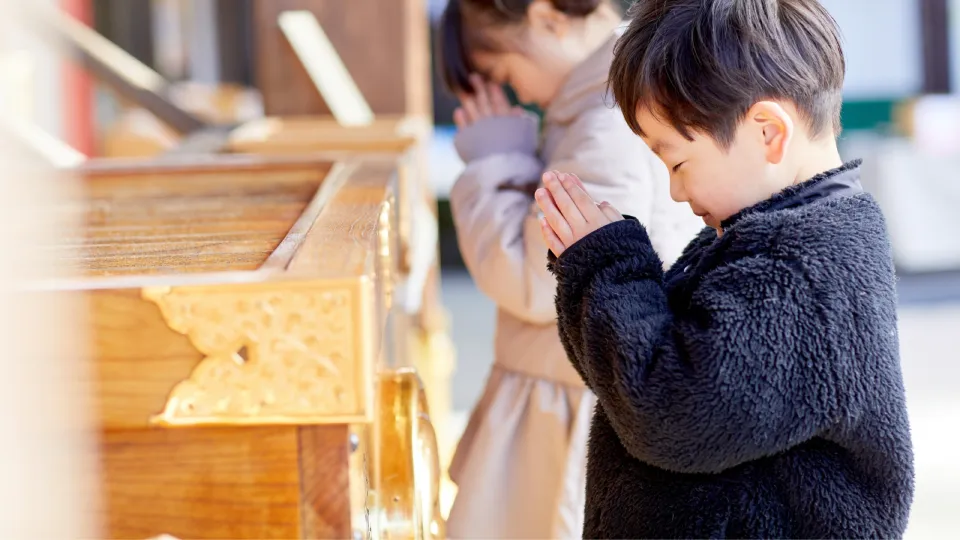
Walk calmly to the front of the shrine’s main hall. You’ll see a large wooden offering box (お賽銭箱 osaisen-bako) where visitors throw coins.
A common offering is 5 yen, because the Japanese word go-en sounds like “good connection” or “good fortune.” But any coin is perfectly fine.
3. Make Your Offering
Gently toss your coin into the offering box.
If there is a bell above you, pull the rope once to ring it.
This is believed to “wake up” the kami (deity) and let them know you’ve arrived.
4. Perform the Standard Prayer Ritual
Most shrines follow the same sequence:
Two bows, two claps, one bow
Bow deeply twice
Clap your hands twice
Make a silent wish or prayer
Bow deeply once more
Your prayer can be anything—health, safety, success, gratitude, or simply wishing for a peaceful year.
5. Step Aside for the Next Visitor
After your final bow, move gently to the side so others can pray.
Shrines can be very crowded during Hatsumode, so this small gesture keeps everything flowing smoothly.
🌿 Tips for First-Time Visitors
There is no need to rush—take a moment to breathe and appreciate the atmosphere.
You don’t need to be religious to participate; many Japanese people treat Hatsumode as a cultural tradition.
If you’re unsure, simply follow the flow of the people around you.
🎋 How to Read Omikuji
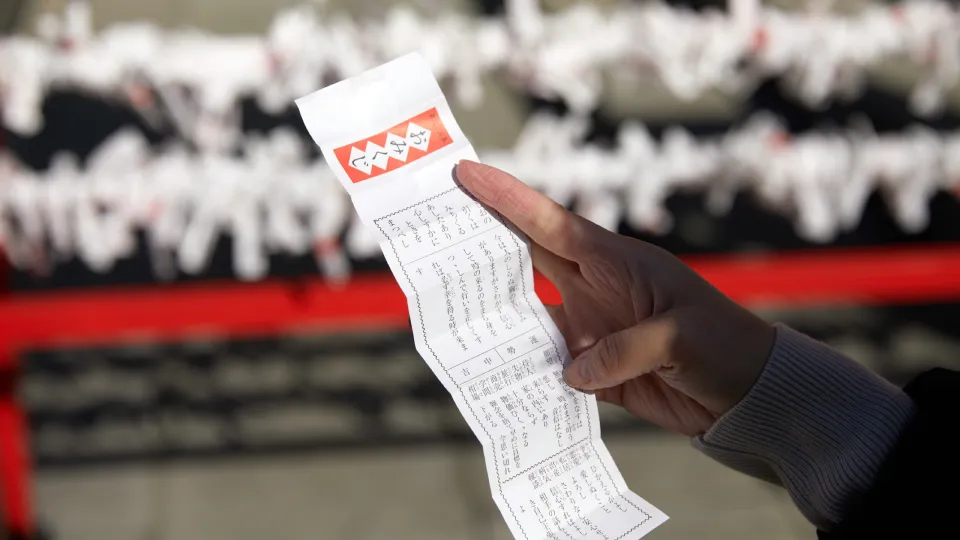
Omikuji are traditional Japanese fortune slips that you can draw at many Shinto shrines and Buddhist temples. They offer predictions about different areas of your life—such as health, love, travel, and work—and are a fun way to experience Japanese culture during Hatsumode.
Even if you don’t read Japanese, omikuji are easy to enjoy once you understand the basics.
1. How to Draw an Omikuji
The process varies slightly by shrine, but the general steps are:
Put a small offering (usually 100–300 yen) into the box.
Shake a wooden box or choose a numbered stick/paper.
Receive the omikuji slip that matches your number.
Some shrines offer English omikuji, but most are in Japanese—don’t worry, this guide will help you understand the key parts.
2. Understanding the Main Fortune (Kichi Levels)
The first thing you’ll see is the overall fortune level.
Here are the most common ones, from best to worst:
| Japanese | Romaji | Meaning |
|---|---|---|
| 大吉 | daikichi | Great blessing / very good luck |
| 中吉 | chūkichi | Middle blessing / good luck |
| 小吉 | shōkichi | Small blessing / moderate luck |
| 吉 | kichi | Blessing / general good luck |
| 末吉 | suekichi | Future blessing / luck will come later |
| 凶 | kyō | Bad luck |
| 大凶 | daikyō | Very bad luck (rare) |
Even if you get a “bad” fortune, don’t worry—there’s a way to handle it respectfully.
3. What Each Section Means
Most omikuji include short predictions about different areas of life. Here are the common categories:
願望 (ganbō) – Your wish or desire
待人 (machibito) – A person you are waiting for
旅行 (ryokō) – Travel
商売 (shōbai) – Business or work
学問 (gakumon) – Studies
恋愛 (ren’ai) – Love
健康 (kenkō) – Health
争事 (arasoi) – Conflicts or disputes
転居 (tenkyo) – Moving or relocation
Each section gives a short phrase predicting whether things will go well, improve later, or require caution.
4. What to Do If You Get a Bad Fortune
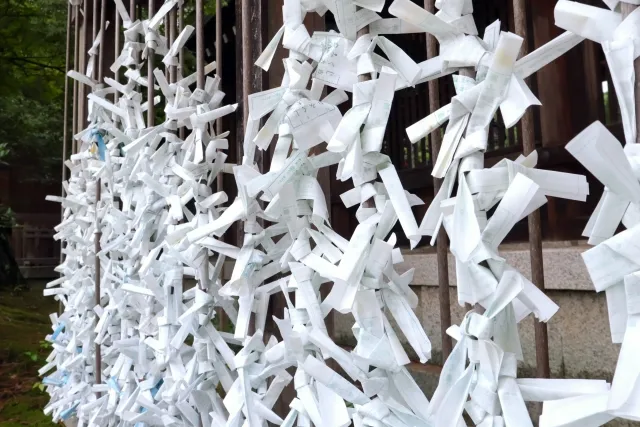
If your omikuji predicts bad luck, you can tie it to a designated rack or tree at the shrine. This symbolizes leaving the bad luck behind so it won’t follow you home.
If you receive a good fortune, you can either:
Take it home as a lucky charm, or
Tie it at the shrine to strengthen the blessing
Both options are perfectly acceptable.
5. Enjoy the Experience
Omikuji are not meant to be taken too seriously.
They’re a fun, traditional way to reflect on the year ahead and connect with Japanese culture.
Whether your fortune is good or bad, the experience itself is part of the joy of Hatsumode
🐴 How to Write Ema
Ema are small wooden plaques found at Shinto shrines where visitors write their wishes or prayers. After writing, the plaques are hung on a designated rack so the shrine’s deity can receive the wish. Writing an ema is a simple and meaningful way to participate in Japanese culture during Hatsumode.
Even if you’re new to shrine customs, the process is easy and enjoyable.
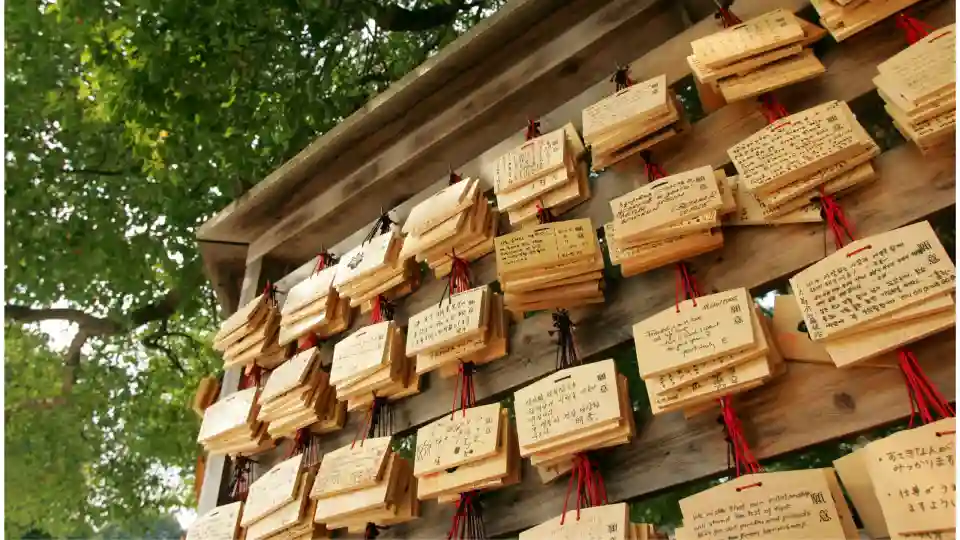
1. What Is an Ema?
The word ema (絵馬) literally means “picture horse.” In ancient times, people offered horses to shrines as sacred gifts. Over time, this tradition evolved into offering wooden plaques with pictures of horses—and today, ema come in many designs, often featuring zodiac animals or symbols of good luck.
2. How to Get an Ema
You can buy an ema at the shrine’s office (授与所 juyosho) or reception counter.
Price: usually 300–800 yen
Designs vary by shrine and season
Some shrines offer English instructions
Once you receive your ema, you’ll also get a pen or marker to write your wish.
3. What to Write on an Ema
There is no strict rule. You can write:
A wish for the new year
Health and safety
Success in work or studies
Happiness for family and friends
Gratitude
A personal goal
Write clearly and sincerely. Many people write in their own language, so English is perfectly fine.
Example wishes:
“I wish for a healthy and peaceful year.”
“Success in my new job.”
“Safe travels for my family.”
If you want, you can add your name and date, but it’s optional.
4. How to Hang Your Ema
After writing your wish:
Walk to the ema rack (usually near the main hall).
Find an open space.
Hang your ema using the attached string.
This act symbolizes offering your wish to the shrine’s deity.
🎍 Conclusion
Hatsumode is one of the most meaningful ways to experience Japanese culture at the start of a new year. By learning how to pray at a shrine, draw omikuji, and write ema, you can participate in traditions that Japanese people have cherished for centuries.
Whether your wish is for health, happiness, or a fresh start, taking part in these rituals offers a quiet moment of reflection and connection. Even if you’re visiting Japan for the first time, you can enjoy Hatsumode with confidence—and maybe even discover a new sense of hope for the year ahead.
As you join the crowds at a shrine, breathe in the winter air, listen to the sound of bells, and let the experience become a memorable part of your journey in Japan.
Related Posts
- Essential Japanese for Travelers: Restaurant Phrases for Ordering, Paying, and Dining Etiquette in Kyoto
- Essential Japanese for Travelers: Supermarket Phrases and Tips (Discounts, Prepared Foods, Fresh Items)
- Joya no Kane in Kyoto: Where Visitors Can Ring the New Year’s Eve Temple Bell
- Essential Japanese for Travelers: How to Ask “Where Is ___?” in Japanese