
Last updated: November 26, 2025
Essential Japanese for Travelers: Supermarket Phrases and Tips (Discounts, Prepared Foods, Fresh Items)
Introduction
Visiting a Japanese supermarket is more than just a practical way to buy food—it is a window into everyday life in Japan. By walking through the aisles, travelers can discover what local people eat, the fresh ingredients they use, and the prepared foods that are part of daily meals. Understanding the Japanese labels on products and recognizing common phrases spoken by staff at the checkout counter can make the experience much more comfortable. With just a few essential words and expressions, shopping at a supermarket in Kyoto becomes not only easier but also an enjoyable way to connect with local culture.
Common Japanese Words You See in Supermarkets
Japanese: 半額
Romaji: han-gaku
English: Half price
Japanese: 割引
Romaji: waribiki
English: Discount
Japanese: 税込
Romaji: zeikomi
English: Tax included
Japanese: お惣菜
Romaji: osōzai
English: Prepared foods / deli items
Japanese: 生食用
Romaji: namashokuyō
English: For raw consumption (sashimi-grade)
Japanese: 加熱用
Romaji: kanetsuyō
English: For cooking / must be heated
Japanese: 要冷蔵
Romaji: yōreizō
English: Keep refrigerated
Japanese: 賞味期限
Romaji: shōmi kigen
English: Best before date
Japanese: 消費期限
Romaji: shōhi kigen
English: Expiration date (use-by date)
Common Stickers on Japanese Supermarket Products
Japanese: 半額
Romaji: han-gaku
English: Half price
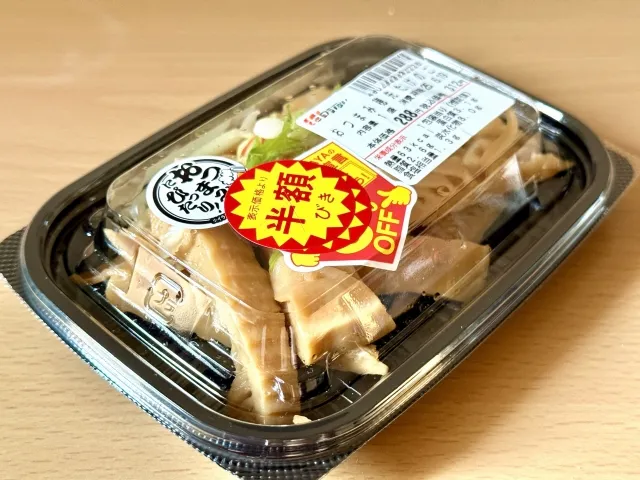
This sticker means the product is sold at half of the original price.
Japanese: 3割引き
Romaji: san-waribiki
English: 30% off
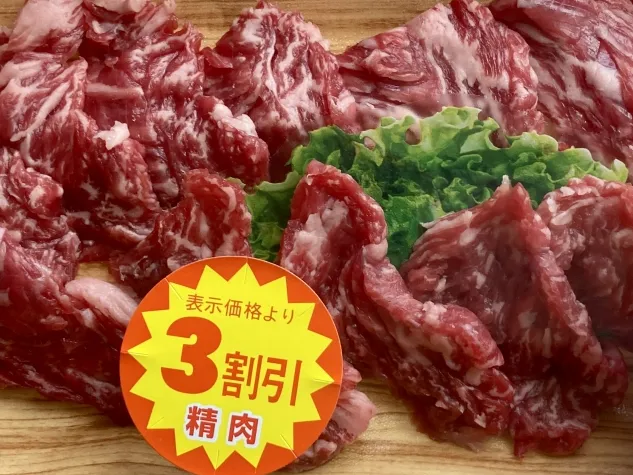
This sticker means the item is 30% cheaper than the original price.
Japanese: 生食用
Romaji: namashokuyō
English: For raw consumption
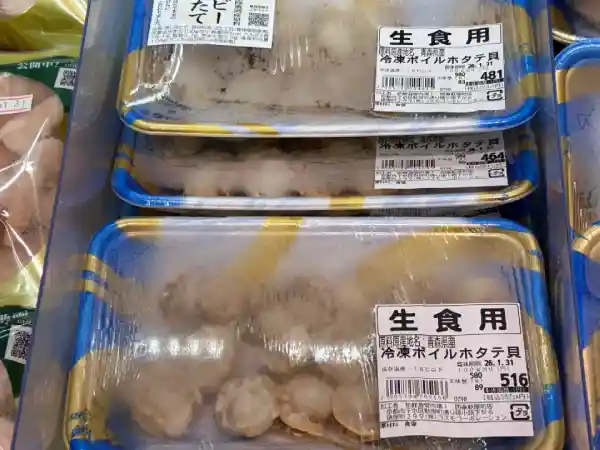
This label means the item is safe to eat raw, such as sashimi-grade fish.
📝 Practical Notes
賞味期限 (shōmi kigen): Best before date — the product tastes best until this date.
消費期限 (shōhi kigen): Expiration date — the product must be eaten before this date for safety.
Tip: Always check the label carefully, especially for fresh foods like milk or bento.
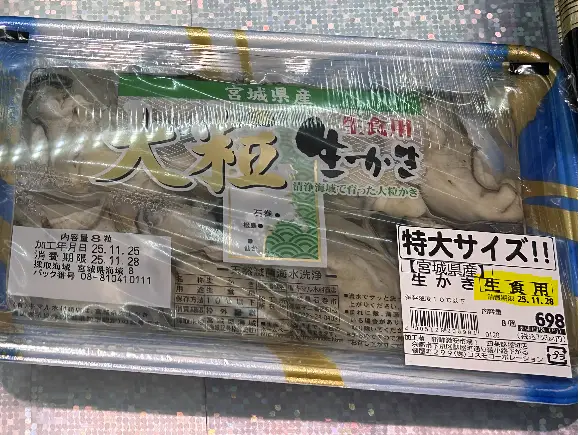
生食用 (namashokuyō): Safe to eat raw — often used for sashimi-grade fish.
加熱用 (kanetsuyō): For cooking — for safety, heat thoroughly.
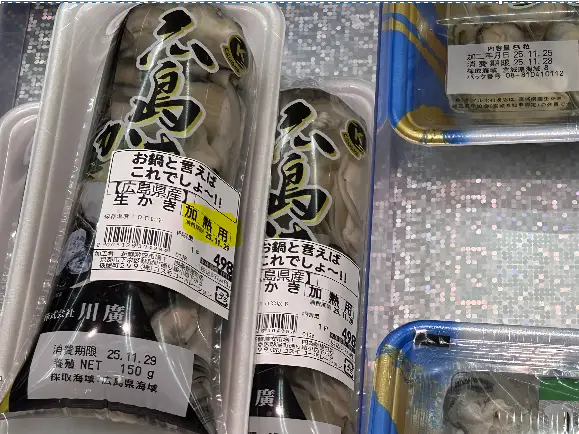
Tip: Always check whether the product is labeled for raw consumption or cooking only.
半額 (han-gaku): 50% off
3割引き (san-waribiki): 30% off
Tip: Discount stickers are often added in the evening — perfect for budget travelers.
✈️ Traveler’s Tips
Cash is still common: Many supermarkets accept credit cards, but small shops may prefer cash.
IC cards: In big cities, prepaid IC cards (Suica, ICOCA) are often accepted at registers.
Tip: Always carry some coins for smooth checkout.
Evening discounts: Bento and prepared foods often get half-price or 30% off stickers after 7–8 PM.
Best deals: Travelers can save money by shopping later in the day.
Tip: Arrive early for popular items — they sell out quickly.
要冷蔵 (yōreizō): Keep refrigerated.
加熱用 (kanetsuyō) / 加熱してお召し上がりください (kanetsu shite omeshiagari kudasai): For cooking — must be heated before eating.
Tip: Always check labels to avoid food safety issues.
Free condiments: Near the sashimi and sushi section, you will always find free soy sauce, wasabi, and pickled ginger.
Tip: Don’t forget to take the number you need — they are provided for customers at no extra cost.
📚 Core Vocabulary
Japanese: 半額
Romaji: han-gaku
English: Half price
Japanese: 割引
Romaji: waribiki
English: Discount
Japanese: 税込
Romaji: zeikomi
English: Tax included
Japanese: お惣菜
Romaji: osōzai
English: Prepared foods / deli items
Japanese: 生食用
Romaji: namashokuyō
English: For raw consumption (sashimi-grade)
Japanese: 加熱用
Romaji: kanetsuyō
English: For cooking / must be heated
Japanese: 要冷蔵
Romaji: yōreizō
English: Keep refrigerated
Japanese: 賞味期限
Romaji: shōmi kigen
English: Best before date
Japanese: 消費期限
Romaji: shōhi kigen
English: Expiration date (use-by date)
✅ Conclusion
Shopping at Japanese supermarkets can feel challenging at first, but once you understand the key labels and phrases, it becomes a fun and rewarding experience.
Knowing words like 半額 (han-gaku), 3割引き (san-waribiki), 生食用 (namashokuyō), and 加熱用 (kanetsuyō) helps you make safe choices and enjoy great deals.
With these practical notes and traveler’s tips, you can shop with confidence and discover everyday Japanese culture through food.
Next time you visit a supermarket in Kyoto or anywhere in Japan, take a moment to check the stickers and labels—you might find both savings and a deeper connection to local life.
Related Posts
- Essential Japanese for Travelers: How to Ask “Where Is ___?” in Japanese
- Essential Japanese for Travelers: How to Pay in Japanese (Cash, Credit Card, Receipt)
- How to Use Taxis in Japan: Hailing, Fares, Payment Methods, Japanese Phrases, and Etiquette
- Essential Japanese for Travelers: Simple Phrases for the Convenience Store


ピンバック: Top 5 Supermarkets in Kyoto (Best for Sushi & Local Foods) - Learn Japanese with Kyoto Stories